Gas Scare in Konaseema Village
Gas Leak Incident Shocks a Quiet Konaseema Village
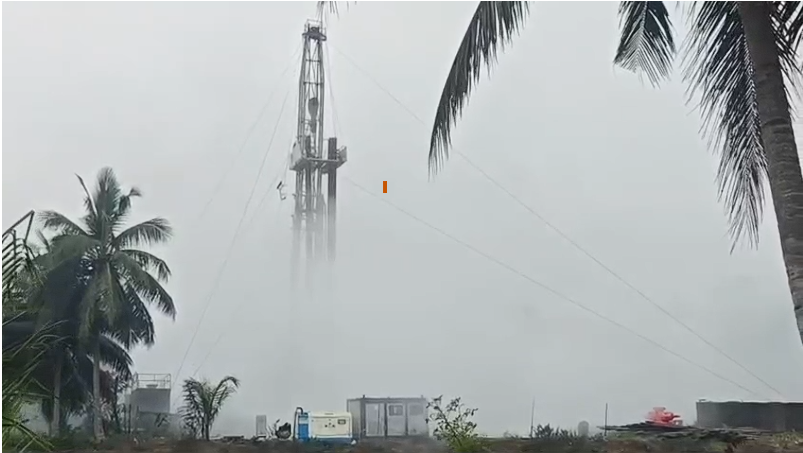
A sudden Konaseema gas leak created panic and confusion in a peaceful village located in the Rajolu region of Ambedkar Konaseema district. What began as routine work at an operational well quickly escalated into a frightening situation when gas mixed with crude oil erupted forcefully, catching workers and residents off guard. The unexpected release transformed the calm rural atmosphere into one of fear and uncertainty within minutes.
Residents described the incident as alarming, as dense gas clouds spread rapidly through the surrounding area, resembling thick fog. Many villagers rushed out of their homes, unsure of what was happening or how serious the danger could become. The incident raised immediate concerns about safety, health, and environmental impact in the region.
How the Konaseema Gas Leak Occurred
According to local sources, the incident occurred when work was underway at an active well that had temporarily stopped producing. Workers were using a workover rig to carry out maintenance operations in an attempt to restore production. During this process, pressure built up unexpectedly inside the well, leading to a sudden surge of gas along with crude oil.
The force of the release surprised the workers present at the site. Within moments, gas shot upward and began spreading outward, carried by wind toward nearby residential areas. The lack of any prior warning made the situation even more frightening, as villagers had little time to understand or react to the unfolding event.
Gas Clouds Spread Like Fog Across the Village

Advertisement
One of the most distressing aspects of the Konaseema gas leak was the way the gas moved through the village. Witnesses said it drifted low to the ground, forming a mist-like layer that reduced visibility and made breathing uncomfortable. The gas clouds moved swiftly, entering streets and open spaces, leaving people anxious about potential health risks.
Parents hurried to bring children indoors, while elderly residents struggled to comprehend the situation. Some villagers covered their faces with cloth, fearing inhalation could cause serious problems. The unusual sight of fog-like gas during daylight hours added to the fear, as many worried about possible explosions or long-term exposure effects.
Immediate Panic and Fear Among Residents
As news of the Konaseema gas leak spread, panic gripped the village. Many residents stepped out of their homes only to retreat quickly after sensing the strong smell and irritation in the air. Confusion prevailed, as there was no immediate clarity on whether the gas was toxic or flammable.
People living closest to the well site were the most affected. Some reported burning sensations in their eyes and throat, while others complained of dizziness. Though no major injuries were reported initially, the fear of unknown consequences left the community deeply shaken.
Response from Authorities and Safety Teams
Local authorities were alerted soon after the Konaseema gas leak was noticed. Officials rushed to the site to assess the situation and take preventive measures. The well area was secured, and efforts were made to control the gas release and reduce its spread.
Emergency teams advised residents to stay indoors and avoid approaching the affected zone. Ventilation measures were initiated to disperse the gas safely, while technical experts worked to stabilize the well pressure. Authorities assured the public that the situation was being monitored closely and that necessary steps were being taken to prevent further escalation.
Environmental and Health Concerns Rise
The Konaseema gas leak raised serious environmental and health questions among villagers and activists. The release of gas combined with crude oil sparked worries about soil contamination, air quality, and water safety. Farmers in the area expressed concern about the potential impact on crops and livestock.
Health experts emphasized the importance of monitoring symptoms among residents, especially children and elderly individuals. Even short-term exposure to gas can cause respiratory discomfort, and prolonged exposure could lead to more severe complications. Medical teams remained on alert to address any emergencies arising from the incident.
Community Anxiety and Demand for Accountability
Following the Konaseema gas leak, villagers demanded clear explanations and accountability from authorities and operators involved in the well operations. Many questioned whether adequate safety checks were carried out before initiating work with the rig. The lack of advance warning and safety communication added to public frustration.
Community leaders urged officials to conduct a thorough investigation and ensure that such incidents do not recur. Residents stressed that economic development should not come at the cost of their safety and peace of mind. Trust in industrial activities depends heavily on transparent operations and strict safety standards.
Lessons from the Konaseema Gas Leak
This incident serves as a reminder of the risks associated with energy extraction activities near populated areas. The Konaseema gas leak highlighted the need for stronger safety protocols, emergency preparedness, and community awareness. Proper pressure monitoring, real-time alerts, and evacuation plans could significantly reduce panic and harm in similar situations.
Experts believe that regular safety drills and clear communication channels between operators and local residents are essential. Educating communities about potential risks and response measures can help prevent chaos during unexpected events.
Situation Under Control, But Questions Remain
Although officials later stated that the Konaseema gas leak was brought under control, the incident left lasting anxiety among villagers. Many residents remain cautious, keeping a close watch on the well site and surrounding environment. The memory of gas clouds spreading like fog through their village is not easily forgotten.
Authorities have promised further inspections and safety reviews, but residents hope these assurances translate into concrete action. The incident has become a talking point across the district, prompting discussions about safety, responsibility, and the balance between development and public welfare.