Maharashtra Politics: Ajit Pawar’s Career and Public Role
Early Life and Entry into Public Life
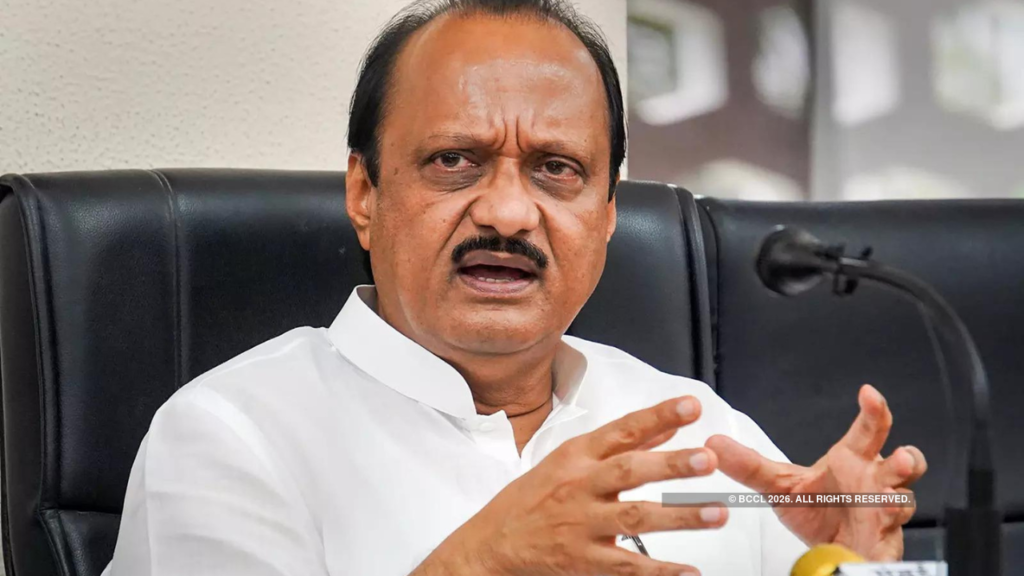
Ajit Pawar was born on July 22, 1959, at Deolali Pravara in Rahuri taluka of Ahmednagar district. He assumed family responsibilities at a young age, a phase that exposed him early to social and economic issues in rural Maharashtra. His engagement with farmers’ concerns and cooperative institutions shaped his entry into public life.
His initial work involved milk unions, cooperative societies, sugar factories, and banks. This grassroots exposure laid the foundation for his later political career and informed his administrative priorities.
Political Rise and Legislative Roles

Advertisement
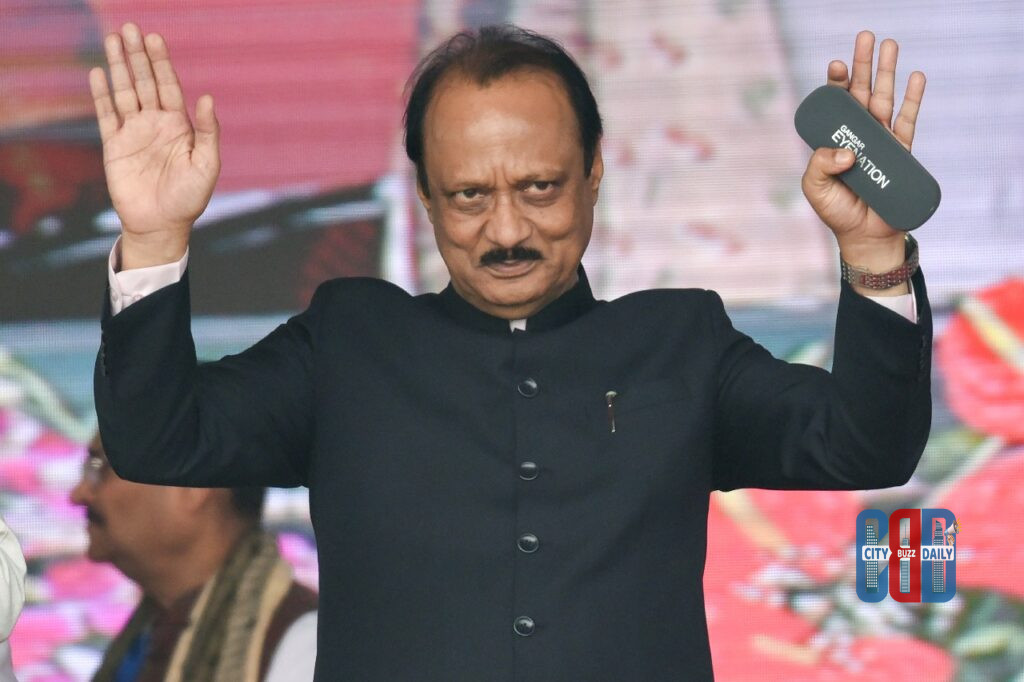
Pawar’s political career took a formal turn in 1991. Over the years, he served as a Member of Parliament, Member of the Legislative Assembly, Minister of State across key departments, and Deputy Chief Minister of Maharashtra on four occasions. His tenure across multiple governments placed him among the state’s most experienced political administrators.
He was known within political circles for insisting on punctuality and time-bound decision-making. His approach to governance emphasized structured discussions with subject experts before finalizing policy decisions.
Administrative Style and Public Engagement
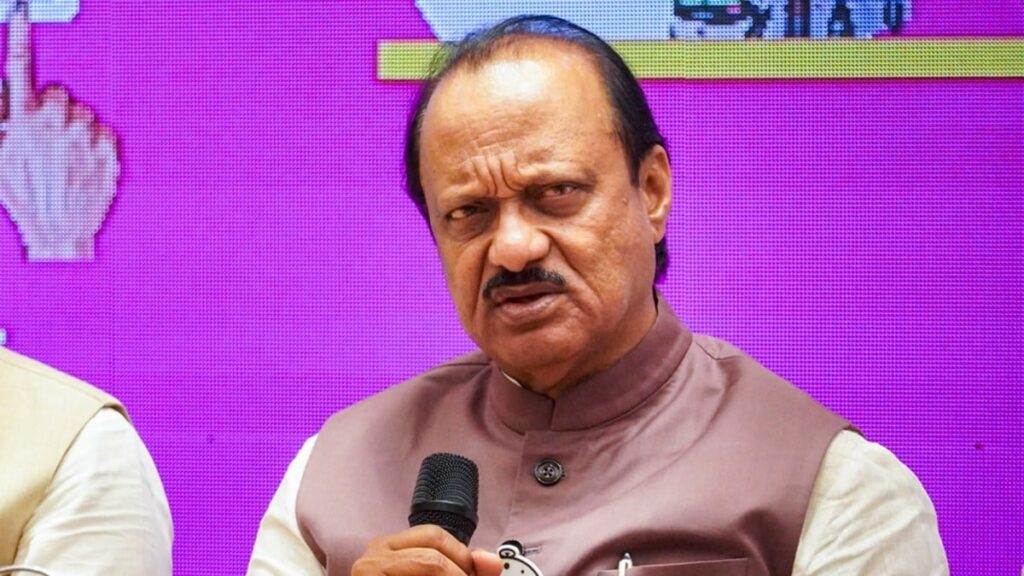
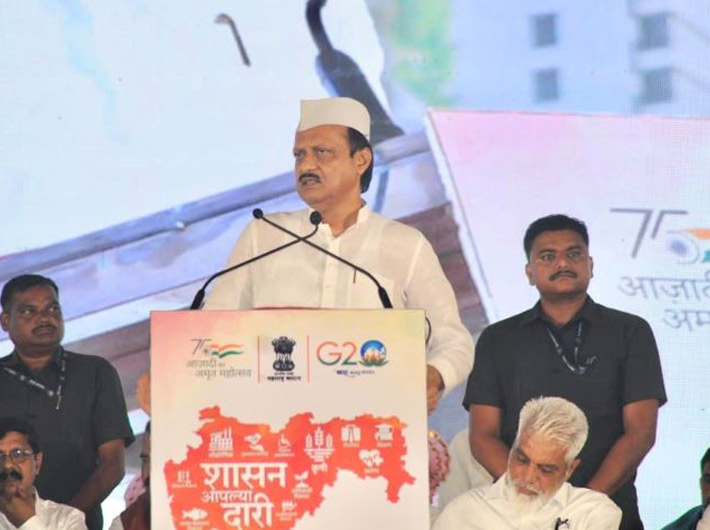
Regardless of whether he was in power, Pawar maintained direct contact with the public through Janata Darbars. These forums were used to address grievances without distinction between party workers and the general public. His focus remained on accelerating administrative processes and ensuring clarity in execution.
In the legislative assembly, Pawar’s interventions reflected close attention to regional and sectoral impacts of government decisions. His understanding of Maharashtra’s geographical and socio-economic diversity informed his questioning and participation in debates.
Influence and Political Outlook
Pawar’s political outlook was shaped by his close observation of the work of Sharad Pawar. This influence was reflected in his emphasis on long-term development planning, with a stated focus on outcomes extending 25 to 30 years ahead.
His sustained engagement with local issues and administrative systems earned him recognition across different sections of society. The trajectory of his career and public role has been closely followed in Maharashtra’s political landscape, particularly in the context of recent developments surrounding his death, detailed in the report on the Baramati crash published earlier on City Buzz Daily.
👉 For more breaking news updates, in-depth reports, and real-time developments from across India, visit the City Buzz Daily homepage.