US-Iran tensions rise over Strait of Hormuz crisis
US Administration Issues Threat, Iran Warns Strikes on Energy Targets
Escalation over Strait of Hormuz access
The United States and Iran have issued fresh threats targeting energy infrastructure as the ongoing conflict enters its fourth week. U.S. President Donald Trump warned of action against Iran’s power facilities if the Strait of Hormuz is not fully reopened within 48 hours.
The warning marks a shift from earlier indications about reducing hostilities, and comes amid continued military movement by U.S. forces in the region.
Iran responds with counter-threats
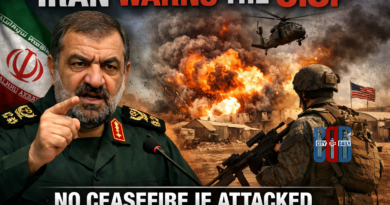
Iran on Sunday stated it would target U.S. infrastructure, including energy facilities in the Gulf, if any such strike is carried out. Its Khatam al-Anbiya military command indicated that U.S. assets linked to energy, information technology, and desalination could be targeted.

Advertisement
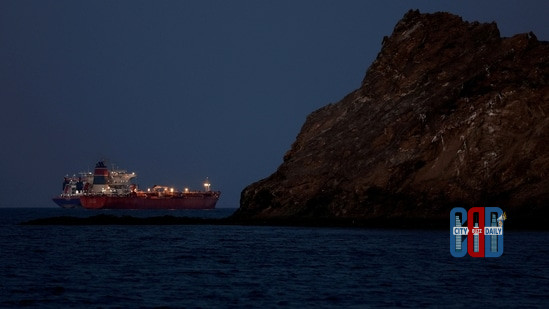
Tehran also maintained that the Strait of Hormuz remains open for shipping, except for vessels associated with what it termed as “enemies”. Passage, it said, requires coordination with Iranian authorities.
Energy markets face uncertainty
The situation has raised concerns over global energy supply and financial stability. The Strait of Hormuz, a key route for nearly one-fifth of global oil and liquefied natural gas supplies, has been effectively disrupted.
Oil prices have already risen sharply, reaching their highest levels in nearly four years. European gas prices also recorded significant increases amid supply concerns linked to the conflict.
Market analysts have warned that continued uncertainty could trigger major volatility when global markets reopen.
Missile activity expands conflict scope
Iran has escalated military operations by deploying long-range missiles for the first time during the conflict. Missiles were launched at a U.S.-British base at Diego Garcia in the Indian Ocean, according to Israeli military chief Eyal Zamir.
He stated that the missile range extends to several European capitals, including Berlin, Paris, and Rome. Iranian strikes were also reported near Israel’s nuclear facility located southeast of Dimona.
Regional tensions intensify
The Israeli military confirmed strikes on Tehran shortly after Iranian attacks on southern Israel. The conflict, which began on February 28, has resulted in more than 2,000 deaths.
Energy infrastructure across the region, including in Saudi Arabia, the United Arab Emirates, and Qatar, remains at risk as the situation develops.
Political and global implications
The conflict has affected global markets and raised inflation concerns due to rising fuel costs. It has also strained international alliances, with some NATO countries reluctant to engage militarily.
A Reuters/Ipsos poll indicated that a majority of Americans disapprove of U.S. military strikes against Iran, reflecting domestic political pressure as the situation continues.