US Intelligence Warns Trump of Iran Retaliation Risk
US Intelligence Warns Trump of Iran Retaliation Risk Before Strikes
Pre-war briefings flagged possible Gulf escalation
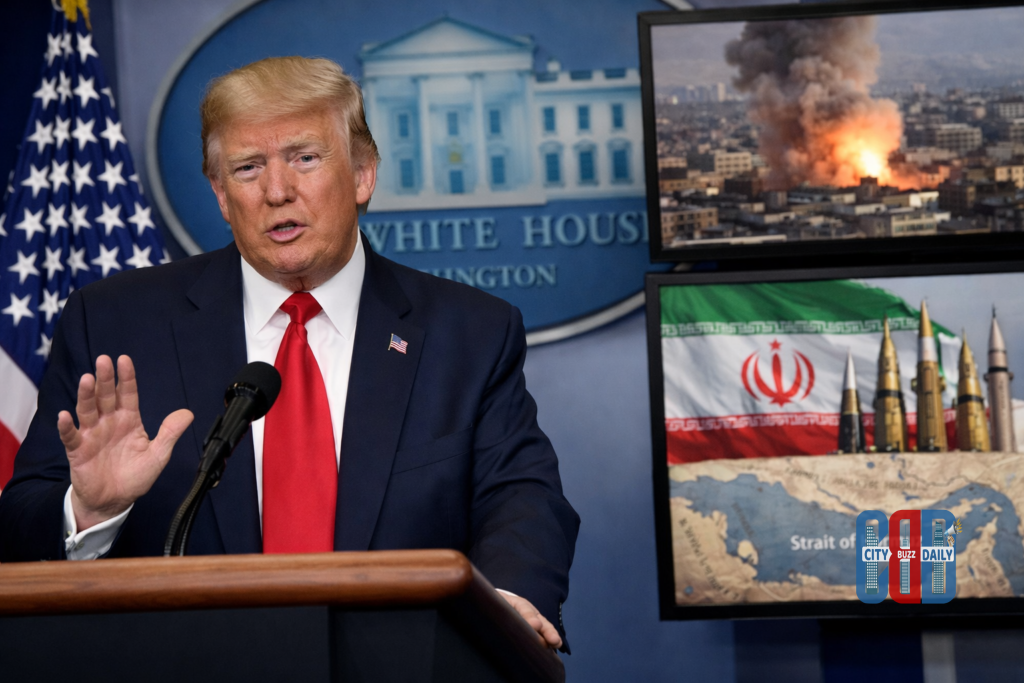
US intelligence agencies had warned President Donald Trump that any military action against Iran could trigger retaliatory strikes targeting American allies in the Gulf, according to a US official and sources familiar with the assessments.
These warnings were part of pre-war intelligence briefings ahead of the US decision to join Israel in launching air strikes on Iran on February 28. While officials did not describe retaliation as certain, it was clearly identified as a likely outcome under multiple scenarios.
Trump claims surprise over Iranian response
Despite these assessments, Trump stated on Monday that Iran’s response had come as a surprise. Speaking at a Kennedy Center board meeting and later at an Oval Office event, he said no experts had anticipated Tehran would target multiple Gulf nations.

Advertisement
Iranian strikes have since hit Qatar, Saudi Arabia, the United Arab Emirates, Bahrain and Kuwait, including US military bases and an Emirates facility hosting French troops. Civilian infrastructure such as airports, hotels and energy installations has also been affected.
Strait of Hormuz disruption impacts global markets
US officials had also briefed the president that Iran might attempt to disrupt the Strait of Hormuz, a key global shipping route. In the past two weeks, Tehran has effectively halted most shipping through the strait, through which around 20% of global oil supplies move.
The disruption has led to a spike in global energy prices, adding economic pressure beyond the immediate military escalation in the region.
Democrats question the justification for military action
Democratic lawmakers, after attending classified briefings last week, said they found no evidence of an imminent threat that would justify the US decision to enter the conflict.
The administration had earlier cited concerns, including Iran’s alleged progress toward developing nuclear weapon and missile capabilities, though these claims have not been supported by available intelligence reporting.
Risk of broader regional conflict highlighted
Intelligence officials had also cautioned that Iranian retaliation could expand beyond US targets to include Gulf capitals, particularly if those countries were perceived as supporting US operations.
Sources said assessments indicated that Israel’s strategy of targeting senior Iranian leadership would likely provoke retaliation against US military and diplomatic installations in the region.
Evacuation orders for diplomatic personnel in several regional embassies were issued only after the air strikes began, suggesting that escalation scenarios unfolded rapidly following the initial attacks.
The White House has not issued an official response to these disclosures, while the Office of the Director of National Intelligence declined to comment.