Telugu States Opposition Faces Questions Over Democratic Role
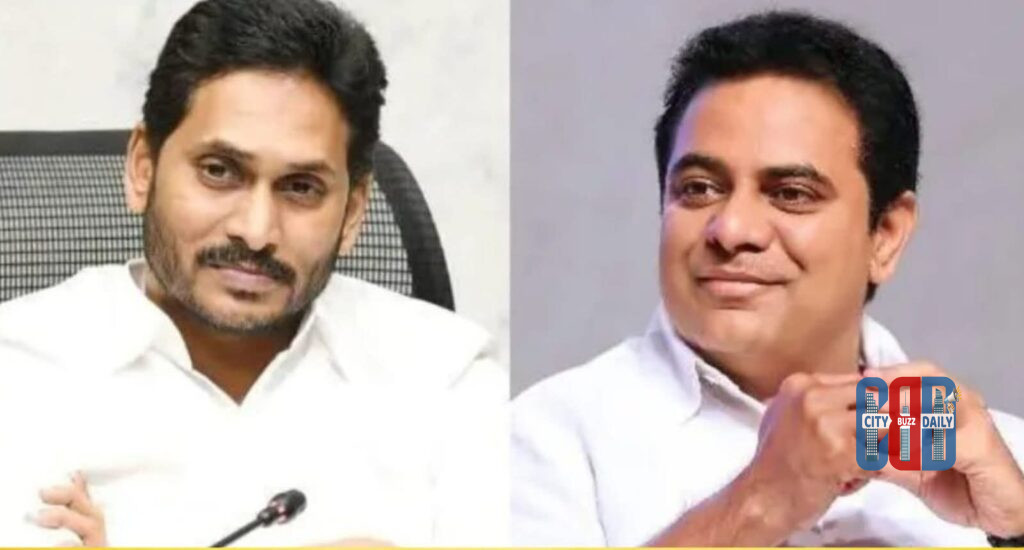
Telugu States Face Questions Over Opposition Role
A functioning democracy depends not only on elections and governments, but also on a vigilant opposition that holds power accountable. In the Telugu states, the present political climate is raising concerns about whether opposition parties are effectively discharging this responsibility. The debate is increasingly centred on the shift from legislative engagement to political messaging dominated by social media.
Assembly Absence and Political Messaging in Andhra Pradesh
In Andhra Pradesh, the current atmosphere in the Assembly has drawn attention to the role of the opposition. The YSR Congress Party, which secured close to 40 percent vote share and support from over one crore voters in the last election, has stayed away from the House citing technical grounds related to opposition status. This move has raised questions about representation and legislative responsibility.

Advertisement
Observers note that meaningful debate in the Assembly, even with limited numbers, remains central to democratic functioning. Instead, much of the party’s current activity appears focused on legal and organisational challenges, with limited legislative intervention on governance issues or public policy implementation. The situation has also triggered political confusion over its stance at the national level while positioning itself against the ruling alliance within the state.
Leadership and Political Direction
The political direction of the YSR Congress leadership is also under scrutiny. Public appearances and press briefings have largely remained confined to prepared statements, while party mobilisation at the grassroots level appears limited. Critics argue that personal criticism in political discourse is replacing issue-based engagement, which risks affecting democratic debate and public order.
BRS Admits Slow Transition to Opposition in Telangana
In Telangana, the Bharat Rashtra Samithi is facing a similar transition challenge after a decade in power. Senior leader Jagadish Reddy publicly acknowledged that the party has not yet fully adapted to its opposition role. Despite administrative experience, the party’s engagement on core public issues remains limited, with political communication largely concentrated on digital platforms rather than sustained public campaigns.
The party’s internal adjustments after electoral defeat, along with declining legislative intervention, have affected its ability to convert anti-incumbency sentiment into political credibility. Analysts point out that effective opposition requires consistent engagement both inside the Assembly and among the public.
Rising Concern Over Weak Legislative Opposition
Across both Telugu states, the reduced focus on legislative debate, increasing Assembly disruptions, and growing dependence on digital political campaigns have raised concerns about weakening institutional accountability. Budget discussions and policy scrutiny have shortened, and prolonged boycotts have reduced oversight of governance.
Political observers underline that democracy requires an opposition that not only criticises but also offers constructive alternatives. Without sustained public engagement and legislative participation, the gap between political discourse and public issues may widen further, impacting democratic balance in both states.