SIT Issues Notices to KCR in Phone Tapping Case
Political Context Around SIT Action
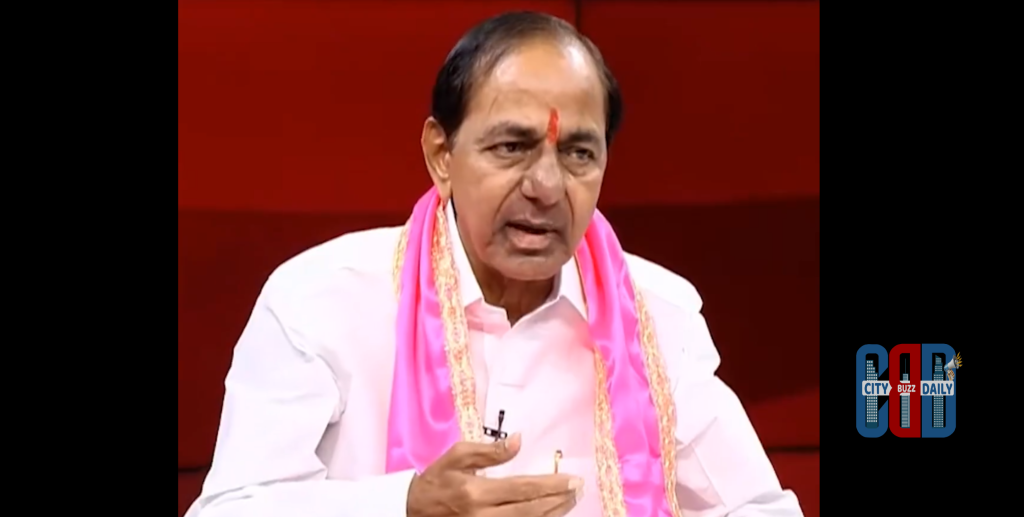
The Special Investigation Team (SIT) issuing notices to Telangana’s first Chief Minister K. Chandrashekar Rao in the phone tapping case has triggered strong political reactions. Political analysts and constitutional experts have described the move as part of a political vendetta rather than a legally grounded exercise, pointing to the statutory framework governing lawful interception in India.
The development has intensified debate over the limits of executive responsibility and the role of investigating agencies, especially when former constitutional authorities are involved.
Who Is Legally Authorised to Order Phone Tapping

Advertisement
Legal experts have reiterated that the authority to intercept telephone communications rests with designated officials, not with political executives. At the state level, police and authorized officers act under formal orders. At the Centre, agencies such as the Intelligence Bureau, Central Bureau of Investigation, Enforcement Directorate, Narcotics Control Bureau, Central Board of Direct Taxes, Directorate of Revenue Intelligence, National Investigation Agency, Research and Analysis Wing, and the Directorate of Signal Intelligence operate under statutory sanction.
Experts have underlined that Chief Ministers or the Prime Minister do not directly order phone tapping. Interception reports, if any, are placed before them as part of administrative briefings, without personal operational involvement.
Legal Provisions Governing Interception
Under Section 5(2) of the Indian Telegraph Act, 1885, the Centre or states may authorize phone tapping in cases of public emergency or in the interest of public safety. The law specifies grounds such as sovereignty and integrity of India, state security, friendly relations with foreign states, public order, or preventing incitement to commit an offense.
Further clarity is provided under Rule 419A of the Indian Telegraph (Amendment) Rules, 2007. The rules empower the Union Home Secretary or State Home Secretary to issue interception orders. In unavoidable circumstances, a joint secretary-level officer authorized by them may issue such directions, subject to subsequent approval.
Duration and Oversight Mechanism
Interception orders are time-bound and subject to review. If not revoked earlier, phone tapping cannot exceed 60 days at a time, with a maximum permissible duration of 180 days upon approval by the competent authority. This layered approval process, experts argue, is intended to prevent misuse.
Debate Over Criminality and Fundamental Rights
Legal commentators have stated that interception for preventing crimes such as inducement or attempts to destabilize an elected government falls under “preventing incitement to an offense” and does not amount to a violation of Article 21 protections related to life and personal liberty.
Against this backdrop, the SIT notices to KCR continue to be viewed by several political observers as part of a broader pattern of political targeting. Related developments in this matter have also been reported earlier, including the political response to the notices issued to the former Chief Minister, as detailed in this report on the Telangana government issuing notices to KCR amid BRS allegations of harassment.
👉 For more breaking news updates, in-depth reports, and real-time developments from across India, visit the City Buzz Daily homepage.