
Singur Ayacut Faces Yasangi Setback: Farmers Worried Over Water Halt
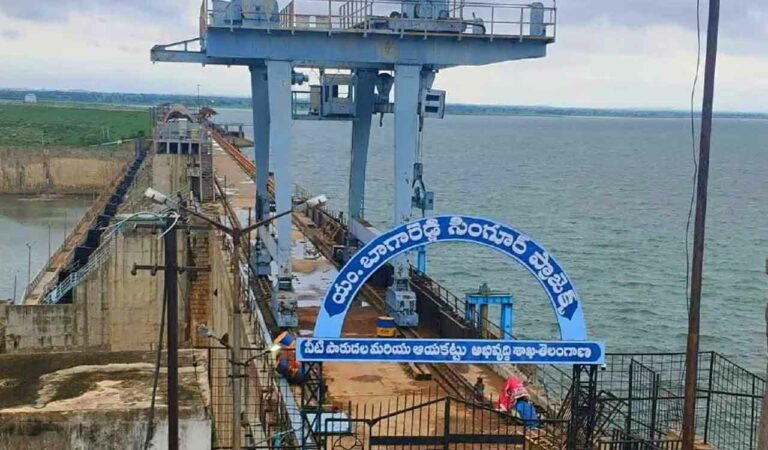
Singur Ayacut Faces Yasangi Setback: Irrigation Water Halted for Repairs
The agricultural landscape of the Singur Ayacut region is heading into a challenging Yasangi season as authorities have confirmed that no irrigation water will be released from the Singur project. This decision, though taken to facilitate necessary repair works, has triggered widespread concern among farmers who rely on the reservoir for seasonal crop cultivation. While the administration argues that the maintenance is unavoidable and essential, the timing is drawing criticism from farming communities who fear economic loss.
Why Water Will Not Be Released
Officials have stated that major repair operations are scheduled on the Singur canal network and related water supply structures. Over the years, the system has undergone wear and tear, leading to leakage, reduced flow efficiency, and risk of further damage if repairs are delayed. Departments involved in irrigation and water management have concluded that this is the right moment to address the issues before they escalate.
However, farmers question the timing. The Yasangi season is crucial for cultivating crops like maize, sunflower, Bengal gram, and vegetables. With irrigation suspended, most farmers feel they have been left without essential support.
Impact on Farmers and Local Economy
For many families in Singur Ayacut, agriculture is the primary source of income. A halt in irrigation water means a direct hit to crop planning, productivity, and earnings. Tenant farmers, in particular, are expected to face financial strain since they depend on seasonal yields for rent payments and household expenses.

Advertisement
Local traders, seed suppliers, and even transport services might feel the domino effect of reduced crop production. If fields remain uncultivated, allied sectors that depend on farm activity could also experience setbacks.
What Farmers Are Demanding
Farmer associations across the ayacut are requesting alternatives rather than a complete water halt. Their primary concerns include:
- Temporary water supply at reduced discharge to save partial cultivation
- Government support packages for affected farmers
- Subsidies on seeds and fertilizers for the next season
- Timely communication and transparency on repair schedules
Leaders argue that if repairs were scheduled post-season or planned earlier, farmers would not be facing this challenge.
Government’s Response So Far
Authorities insist that the repairs are unavoidable and will strengthen the water system for long-term use. The irrigation department has stated that carrying out this work now will ensure better supply security for the upcoming agricultural cycles. Discussions are reportedly ongoing about providing assistance programs, although no final announcement has been made.
Farmers Looking for Alternatives
With canal irrigation unavailable, farmers are exploring secondary options such as:
- Borewell irrigation
- Micro-irrigation systems like drip and sprinkler
- Low-water requirement crops
- Contract farming with buy-back support
But all these come with financial barriers, especially for small and marginal farmers who cannot invest quickly.
The Singur Ayacut water halt during Yasangi highlights the critical balance between development work and farmer livelihoods. While the repair work promises future stability, its immediate impact is a matter of deep concern. How the government addresses the situation in the coming days will determine the region’s agricultural stability and the confidence of its farmers.
If timely support, compensation, and clear planning are provided, farmers may still manage to face the season. Without it, the region risks heading into a period of economic uncertainty.