
Public Concern Rises Over Violent Rhetoric by Minors
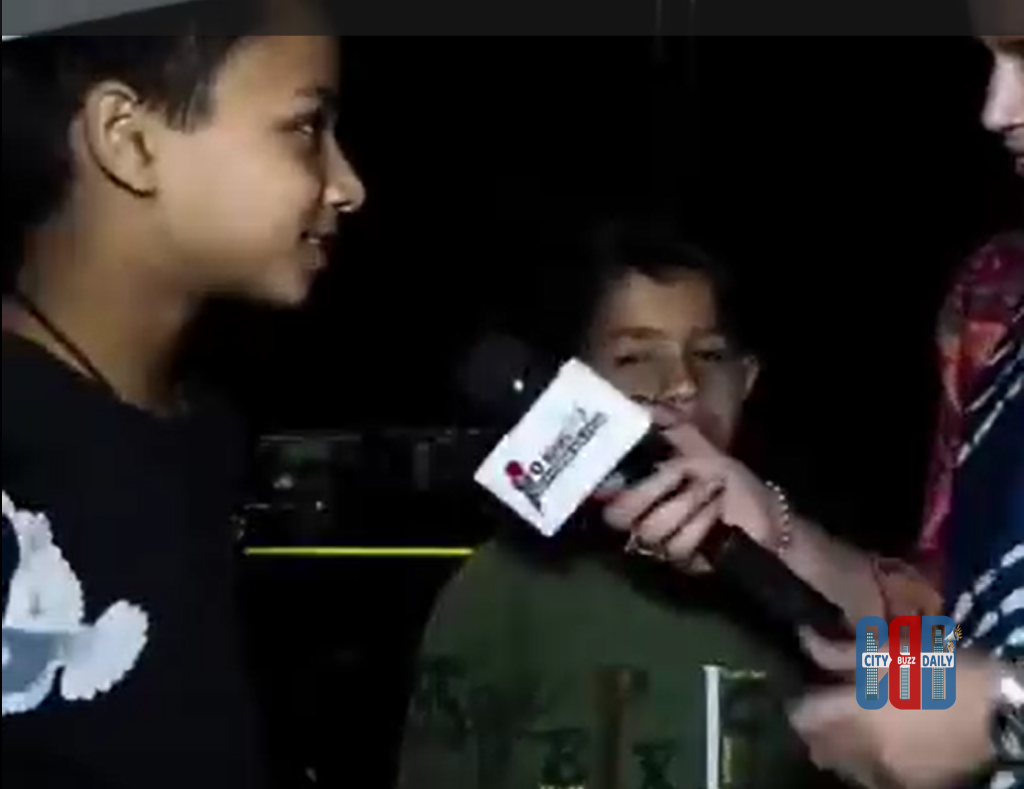
Public Concern Raised Over Violent Rhetoric Among Minors
Growing public concern has emerged after videos surfaced showing minors making violent and inflammatory remarks about the Prime Minister of India. The content has triggered debate over how such extreme views are forming at a young age.
The issue has shifted focus from political narratives to a larger question of national responsibility. Observers say the matter is not about religion or party lines, but about the psychological environment in which children are being raised.
Questions Over Influence and Messaging
The central concern is how children, who are expected to be guided by values of discipline and constitutional respect, are articulating language that includes threats, hatred, and revenge. Such expressions raise questions about the influences shaping their understanding of leadership and democracy.
There is increasing discussion on whether exposure to polarising content—both online and offline—is affecting impressionable minds. Parents, educators and community leaders are being urged to examine the nature of messaging reaching young audiences.

Advertisement
The debate also touches upon whether global or foreign events are being selectively used to provoke resentment within India. Several civic groups have said that invoking international conflicts to justify hostility at home undermines social harmony.
Responsibility of Families and Institutions
Educationists point out that character formation begins early. Schools and families play a defining role in shaping attitudes towards authority, governance, and national institutions. When children echo violent language, it reflects a deeper gap in value-based education.
India’s democratic framework rests on peaceful disagreement and lawful expression. Criticism of leaders is protected within constitutional boundaries, but calls for harm or violence fall outside that framework.
The broader concern now is safeguarding the mental and moral development of future generations. Civil society organisations have stressed that children must be guided towards knowledge, civic awareness and empathy, not anger or division.
Safeguarding India’s Social Fabric
India has long projected itself as a nation built on pluralism and coexistence. Public discourse around children engaging in extreme rhetoric has therefore sparked calls for collective introspection.
The focus remains on reinforcing national unity and ensuring that minors are shielded from ideological manipulation. Community stakeholders argue that the priority must be to protect the emotional and intellectual well-being of children while preserving democratic values.
The episode has reignited debate on how society transmits political awareness to the next generation—and whether corrective measures are needed before such incidents become more frequent.