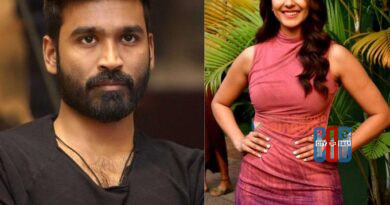
Psyche Siddharth Review: A Broken Mind on Screen

Psyche Siddharth Review – A Risky Attempt at Psychological Drama
The Telugu film Psyche Siddharth arrives with the promise of presenting a disturbed protagonist and an unconventional emotional journey. Starring Sri Nandu and directed by debutant Varun Reddy, the movie positions itself as a bold psychological drama that tries to explore failure, loneliness, and emotional collapse. While the film aims to feel raw and fearless, the real question remains whether it manages to convert ambition into a satisfying cinematic experience.
Psyche Siddharth movie review
Cast: Sri Nandu, Yamini Bhaskar, Priyanka Rebecca, Simha, Sukesh Reddy
Music: Smaran Sai
Cinematography: Prakash Reddy
Producers: Sri Nandu, Shyam Sunder Reddy
Writer & Director: Varun Reddy

Story Overview
Siddharth is a man who has lost direction in life. Betrayed in business by a close friend and emotionally shattered after a failed relationship, he drifts through life without purpose or hope. His existence becomes aimless, filled with frustration and emotional exhaustion. Just when he seems completely detached from society, he unexpectedly meets Shravya, a woman living separately from her husband while raising her young son.
Their interaction begins casually but gradually grows into something deeper. Shravya’s presence introduces emotional warmth into Siddharth’s otherwise chaotic life. As their bond strengthens, subtle changes start appearing in him. Whether this connection helps Siddharth reclaim control over his life or pushes him deeper into confusion forms the emotional backbone of the narrative.
Narrative Style and Direction

Advertisement
The storytelling approach clearly attempts to break away from conventional formats. The director chooses a disturbed protagonist and presents him through erratic behavior, impulsive actions, and emotionally charged sequences. This style may remind viewers of earlier intense character-driven dramas, though the film struggles to reach the same emotional depth.
The narrative does manage to create a different atmosphere during select portions, particularly once the female lead becomes a central part of the story. These segments flow more smoothly and feel emotionally grounded. However, the film lacks a strong central conflict, which weakens the overall impact. The director’s intent is evident, but the execution feels uneven, especially during the opening stretches.
Characterization and Emotional Logic
Modern audiences enjoy flawed characters, especially those with darker emotional layers. However, for such characters to feel relatable, their behavior must be rooted in clear psychological reasoning. In Psyche Siddharth, the protagonist’s actions often feel exaggerated without sufficient emotional justification.
Siddharth’s repeated attempts to chase a relationship that clearly failed, his erratic public behavior, and his extreme emotional reactions fail to establish a convincing internal logic. Instead of appearing intense, several moments feel forced and exhausting. The absence of strong reasoning behind his actions makes it difficult for viewers to emotionally invest in his journey.
Performances
Sri Nandu delivers one of the most physically demanding performances of his career. His dedication is visible in his body language, expressions, and emotional intensity. He fully commits to the role, making Siddharth memorable even when the writing falters. This role will likely be remembered as a significant milestone in his acting journey.
Yamini Bhaskar brings calmness and emotional balance to the narrative. Her performance feels natural and adds depth to the film’s middle portions. She succeeds in portraying emotional maturity without overdoing it. Priyanka Rebecca appears in a bold role and performs confidently within the limitations of her character. Simha, Sukesh Reddy, and the child actor deliver performances that fit their roles without drawing unnecessary attention.
Music and Cinematography
Music plays a supportive role in enhancing the film’s mood. Smaran Sai’s songs blend well with the narrative and do not interrupt the storytelling flow. The background score complements emotional moments without overpowering them, maintaining consistency throughout the film.
Cinematography by Prakash Reddy deserves appreciation for capturing the restless mental state of the protagonist. The visuals effectively mirror emotional chaos, particularly during intense sequences. The camera work adds a contemporary feel, helping the film maintain a distinct visual identity.
Screenplay and Editing
Despite having a relatively short runtime, the film feels stretched due to unnecessary scenes that do not contribute meaningfully to the story. Several sequences appear repetitive, reducing narrative momentum. A tighter screenplay could have significantly improved engagement.
The climax, in particular, fails to deliver a strong emotional payoff. While the film attempts to comment on audience expectations through self-aware dialogue, the ending feels predictable rather than impactful. The story concludes without offering a memorable resolution, leaving viewers with a sense of incompleteness.
Overall Impact
Psyche Siddharth positions itself as an experimental drama with bold ideas, but the lack of narrative depth holds it back. While certain scenes and performances stand out, the film struggles to maintain consistency. The attempt to portray psychological instability feels incomplete due to weak writing support.
The film works better as a conceptual experiment rather than a fully realized emotional journey. Viewers interested in character-driven cinema may appreciate parts of it, but those expecting a powerful transformation arc might feel underwhelmed.
Final Verdict
Psyche Siddharth showcases sincere effort, commendable performances, and technical competence. However, the film fails to deliver the emotional intensity it aims for. With stronger writing and better narrative balance, it could have made a lasting impression.
Rating: 2.25 / 5
This Psyche Siddharth review highlights a film that dares to be different but ultimately falls short of its own ambition.