AIMIM Chief Urges Unity Between KTR and Kavitha in BRS
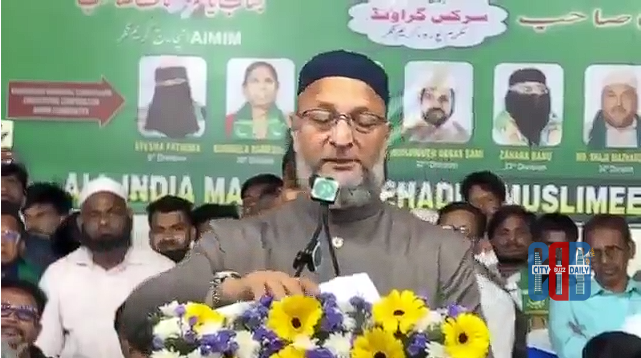
AIMIM Chief Asaduddin Owaisi Urges Unity Within BRS Leadership
Call for Coordination Between Senior Leaders
AIMIM president Asaduddin Owaisi has stated that senior BRS leaders K. T. Rama Rao and Kalvakuntla Kavitha should move forward in coordination, emphasising that unity within leadership is important for the party’s stability. He remarked that ongoing differences between the brother and sister could adversely affect the party’s organisational strength and political functioning.
Owaisi made the observation while referring to recent political developments, indicating that internal cohesion plays a key role in maintaining party structure and electoral performance.
Reference to Ward-Level Electoral Situation
Highlighting a specific political instance, Owaisi pointed to Ward-5, where a Majlis-e-Ittehad-ul-Muslimeen candidate is contesting. He noted that the brother of BRS MLA Gangula Kamalakar has been fielded as an independent candidate in the same ward. Owaisi questioned whether this situation reflected internal divisions within the party.

Advertisement
The reference to the ward-level contest was presented as an example of emerging differences that could influence political alignment and party coordination at the grassroots level.
Allegations Regarding Internal Differences
Owaisi further stated that the current political developments were linked to differences between K. T. Rama Rao and Kavitha. He alleged that such divisions were contributing to the present situation within the party structure. He also commented that the concerned MLA may soon join the Bharatiya Janata Party, indicating a possible shift in political alignment.
The remarks were made in the context of evolving political dynamics and intra-party developments. No official response from the BRS leadership was available regarding the statements at the time of reporting.
Political Context and Party Implications
Owaisi’s comments have drawn attention to internal political coordination and its impact on party functioning. Leadership unity and organisational alignment remain significant factors in maintaining electoral competitiveness and administrative coherence.
The situation reflects broader political movement and alignment at both leadership and local levels. Observers note that developments within party structures often influence strategic direction and electoral positioning, particularly during politically active periods.
Further clarity is expected as the parties involved respond to the remarks and ongoing political developments. The issue continues to remain part of the evolving political discourse in the region.