
New Rules From January 1: What’s Changing in 2026?
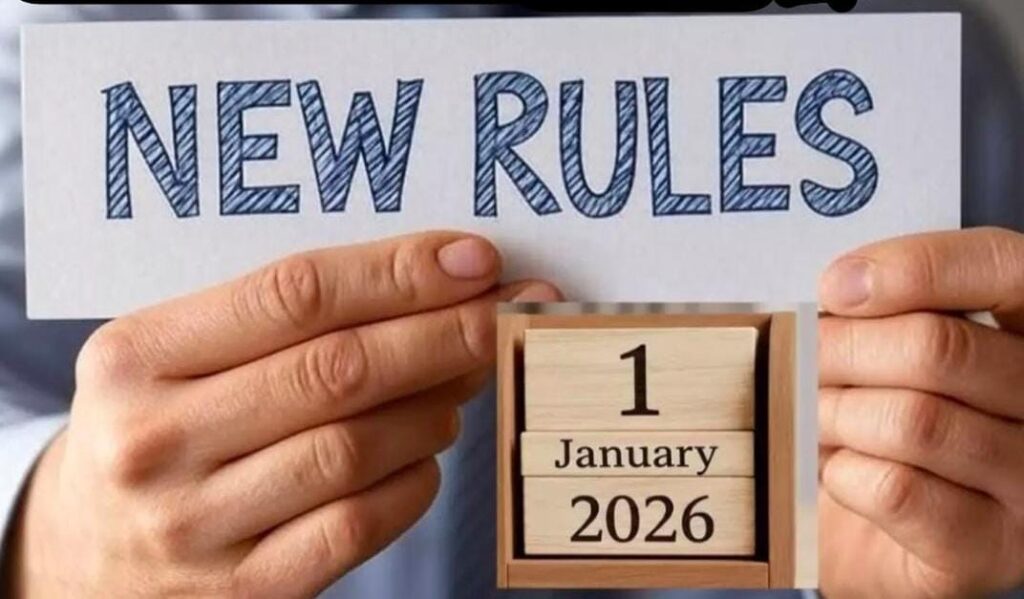
New rules from January 1, 2026, are becoming a topic of major interest as people prepare to step into the new year. While celebrations, travel plans, and family gatherings are being arranged, the beginning of 2026 also brings practical changes that may affect daily life. Many individuals are unaware that these updates could influence banking, communication apps, government salaries, household expenses, and monthly planning. With New Rules from January 1, 2026, taking shape, the new year is not just about celebration but also about understanding what lies ahead.
One of the most notable areas that will see a shift is the credit reporting system. Until now, financial institutions updated credit reports every fifteen days, but from 2026 onwards, these updates will be made weekly. This new rule aims to create faster and clearer financial tracking, allowing banks to monitor loan activities more accurately and reducing the chances of fraudulent borrowing. A weekly update system is expected to increase transparency in how credit scores are calculated and improve the chances of genuine borrowers getting loans without unnecessary delays. With this change, individuals who maintain responsible repayment habits may see their credit score stabilize faster, while those who default or misuse borrowed funds could face quicker accountability. This update is being highlighted as a step toward a more secure financial environment.
Digital safety is also a major focus from January 1, as online scams, impersonation, and cybercrime incidents continue to rise. To address this, the government is making SIM verification and SIM binding mandatory for using several communication platforms. Apps like WhatsApp, Telegram, and Snapchat may soon require confirmed SIM-linked verification before users can continue using their accounts. The goal of this rule is to ensure accountability, reducing fake account activity, eliminating anonymous misuse, and blocking fraudulent numbers involved in scams. With digital platforms becoming a major part of daily communication, entertainment, business, and transactions, the government believes that tighter verification will help protect citizens and bring discipline to the online environment. This change may initially feel inconvenient for some users, but the long-term benefits are expected to outweigh the discomfort.
Meanwhile, the start of 2026 might bring positive news for government employees as discussions around the implementation of the 8th Pay Commission grow stronger. If the revision takes effect, salaries of central and state government employees may increase, along with better allowances and benefits. The possible rise in Dearness Allowance (DA) could offer financial relief to families dealing with inflation and increasing living expenses. Some states are already preparing minimum wage adjustments to support workers across different sectors, aiming to improve income stability. While official confirmation may vary from region to region, the expectations around salary updates are contributing to a hopeful atmosphere for millions of employees awaiting better financial support this year.

Advertisement
Household expenditure, especially kitchen and domestic budgets, is also likely to be influenced, as new LPG gas cylinder prices are generally announced on the first day of every month. While the previous month saw a slight reduction in commercial cylinder prices, the upcoming revision on January 1 will determine whether households face higher expenses or get some relief. Gas prices are known to fluctuate based on global oil market trends, government taxes, and subsidy decisions. As a result, families often watch these updates closely since cooking gas is one of the biggest essential expenses in Indian homes. A major change in cost could directly impact monthly budgeting, savings, and financial planning for the new year.
Together, these changes reflect a transition toward a more regulated, transparent, and disciplined system where technology, finance, and public services evolve with time. The start of a new year reminds us not just of celebrations but also of responsibilities, awareness, and adaptation. As 2026 begins, individuals may find themselves adjusting to new rules but also benefiting from improved systems that aim to promote safety, accuracy, and financial security. The year ahead stands as a reminder that progress comes with change, and being informed is the first step to navigating it smoothly.