Konda Surekha Questions Political Leadership Standards
Controversial Political Remark
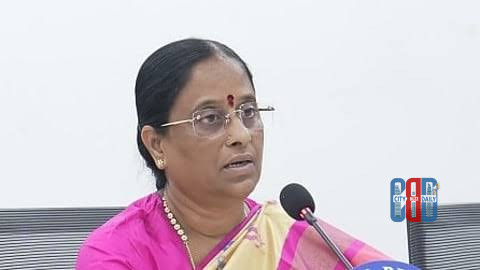
Senior leader Konda Surekha has triggered political discussion with sharp remarks on leadership standards in public life. She stated that even individuals without formal qualifications can rise to the position of Chief Minister in politics, highlighting what she described as the contrasting nature of political and administrative systems.
Her comments were made in the context of the growing debate over governance, merit, and political authority. The statement has drawn attention within political circles, particularly regarding the relationship between elected representatives and career civil servants.
On Civil Services Effort

Advertisement
Konda Surekha pointed to the demanding process required to become an IAS or IPS officer. She noted that clearing these highly competitive examinations requires years of sustained effort, discipline, and academic preparation.
However, she added that despite achieving such positions through merit, civil servants are ultimately required to follow the directions of elected political leadership. The remark underscored the structural hierarchy within the administrative system where policy authority rests with the political executive.
Administrative and Political Context
The statement reflects an ongoing conversation in governance about the balance between bureaucratic expertise and political decision-making. India’s administrative framework places elected leaders at the top of executive authority, while civil servants function within that chain of command to implement policies and programmes.
Konda Surekha’s comments have since circulated widely, prompting reactions from both political observers and administrative circles. The remarks continue to fuel discussion on the evolving dynamics between politics and public administration.
👉 For more breaking news updates, in-depth reports, and real-time developments from across India, visit the City Buzz Daily homepage.