
Japan, Australia Reject Trump Hormuz Security Plan
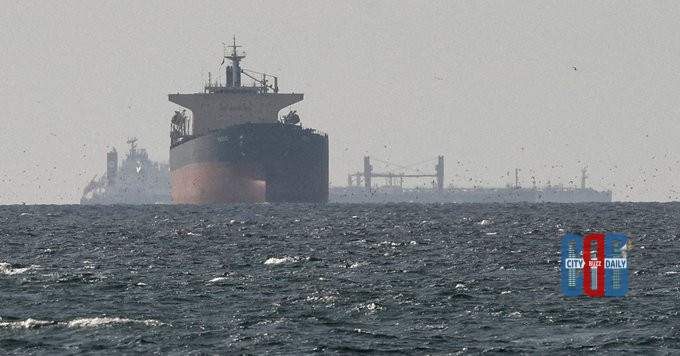
Japan, Australia Decline After Donald Trump Demands Hormuz Security Coalition
Japan and Australia said on Monday they have no plans to send naval vessels to the Middle East after U.S. President Donald Trump called on allied nations to help secure shipping through the Strait of Hormuz.
The demand comes as the U.S.-Israeli war on Iran enters its third week, raising concerns about global oil supply routes and regional stability.
Trump Urges Allies to Protect Key Energy Route
President Donald Trump said the United States is in talks with seven countries about forming a coalition to reopen the Strait of Hormuz, a vital maritime corridor through which around 20% of the world’s energy supplies move.

Advertisement
Speaking to reporters aboard Air Force One while travelling from Florida to Washington, Trump said nations that depend heavily on Gulf oil should take responsibility for protecting the route.
Trump also mentioned in a social media post that countries such as China, France, Japan, South Korea and Britain should take part in securing the strait.
Japan and Australia Reject Naval Deployment
Japanese Prime Minister Sanae Takaichi told parliament that Japan has not made any decision to dispatch naval vessels to escort ships in the Middle East.
She said Japan remains constrained by its war-renouncing constitution and is examining what actions can be taken within the existing legal framework.
Australia also indicated it would not send ships for the operation. Catherine King, a member of Prime Minister Anthony Albanese’s cabinet, said the country had not been asked to contribute naval forces.
She stated that although the Strait of Hormuz is strategically important, Australia is not currently participating in such a mission.
Trump Links China Support to Beijing Visit
Trump told the Financial Times that he expects China to assist in reopening the strait before his scheduled meeting with Chinese President Xi Jinping in Beijing later this month.
He suggested the visit could be delayed if China does not provide support, noting that China receives a large portion of its oil through the Strait of Hormuz.
China’s foreign ministry did not immediately respond to a request for comment.
Oil Markets and Aviation Sector Under Pressure
Financial markets reacted cautiously to the escalating conflict. Brent crude prices rose more than 1% above $104.50, while several Asian share markets recorded declines amid concerns over threats to Middle East oil infrastructure.
The war has also disrupted global air travel. Major hubs including Dubai, Doha and Abu Dhabi have faced closures or restrictions, leading to thousands of flight cancellations and leaving many passengers stranded.
Authorities in Vietnam have warned airlines to prepare for possible flight reductions from April after China and Thailand halted jet fuel exports because of the conflict.
Drone Attacks and Regional Tensions Continue
Security concerns intensified on Monday after a drone attack caused a fire at Dubai airport, forcing a temporary suspension of flights after a fuel tank was hit.
Saudi Arabia reported intercepting 34 drones in its eastern region within an hour. No injuries were reported in either incident.
Despite U.S. claims that Iran’s military capabilities have been weakened, Iranian Foreign Minister Abbas Araqchi said the country remains ready to defend itself.
He said Iran has not asked for a ceasefire or negotiations and is prepared to continue defending itself for as long as necessary.