Iran Appoints Mojtaba Khamenei as New Supreme Leader
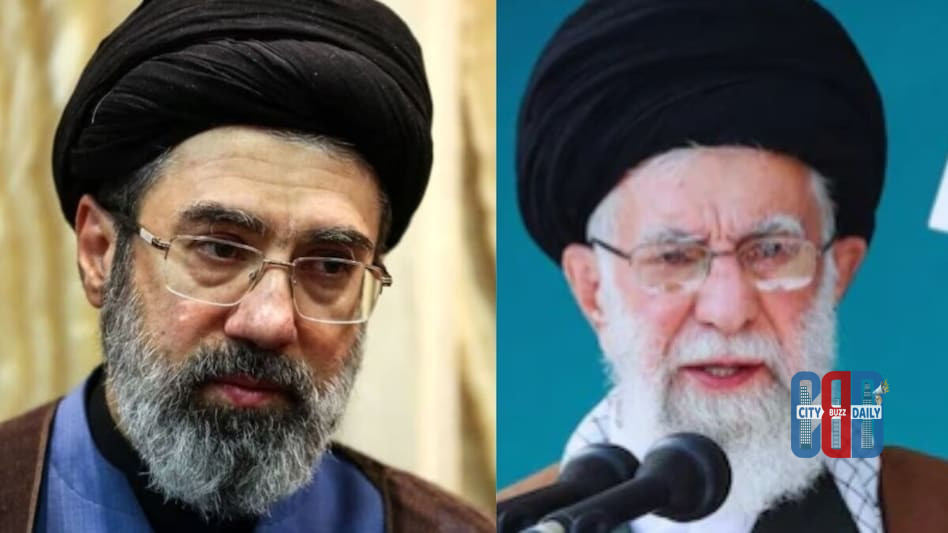
Iran Assembly of Experts Appoints Mojtaba Khamenei as Supreme Leader
Iran’s Assembly of Experts has appointed Ayatollah Seyyed Mojtaba Hosseini Khamenei as the third Supreme Leader of the Islamic Republic of Iran, following the death of his father Ayatollah Ali Khamenei in a joint attack by the United States and Israel.
The decision was announced late at night through an official statement issued by the clerical body. The 88-member Assembly of Experts, responsible for selecting the country’s top authority, said the appointment was made through a decisive vote.
Mojtaba Khamenei, who had not appeared publicly since the Iran war began, had long been considered a possible successor to the position.
Longtime Presence in Iran’s Power Structure
Mojtaba Khamenei is a 56-year-old cleric who spent much of his career operating within the Office of the Supreme Leader rather than holding public office.

Advertisement
Observers often described him as a “gatekeeper” to his father and a political powerbroker, reflecting his proximity to Iran’s leadership circles. Despite his influence, he never held a formal government post in the Islamic Republic.
He first gained wider attention during the late 1990s, when his father’s authority as Supreme Leader had already been firmly established.
Early Life and Religious Education
Born in 1969 in Mashhad, a city in northeastern Iran, Mojtaba is the second-eldest son among the six children of Ali Khamenei.
He studied in the seminaries of Qom, which is regarded as the centre of Shi’ite theological learning in Iran. His clerical rank is Hojjatoleslam, although he has not attained the rank of Ayatollah, a point that has sparked debate among senior clerics regarding his appointment.
Mojtaba also briefly served in the Iran-Iraq war at the age of 17, during which he developed connections with individuals who later joined Iran’s security and intelligence institutions.
Influence within Security and Political Networks
Over the years, Mojtaba built influence within Iran’s political and clerical establishment while maintaining a relatively low public profile.
His reputation has been linked to close ties with the Islamic Revolutionary Guard Corps (IRGC) and networks aligned with hardline political factions. He has also been known for his opposition to reformist politics and engagement with Western governments.
These relationships shaped his standing within Iran’s power structure despite the absence of a formal administrative role.
US Sanctions and Political Controversies
In 2019, the United States Treasury Department imposed sanctions on Mojtaba Khamenei. The sanctions accused him of acting on behalf of the Supreme Leader despite not holding an official government position.
The US said Ayatollah Ali Khamenei had delegated responsibilities to him to advance regional and domestic policies linked to the leadership.
Mojtaba also faced criticism during the 2022 unrest following the death of a young woman in police custody, who had been detained for allegedly violating the country’s strict dress codes.
He was also widely believed to have supported the political rise of Mahmoud Ahmadinejad, who became Iran’s president in 2005 and won a second term in 2009, an election that triggered anti-government protests.
Personal Life and Family Connections
Mojtaba Khamenei married Zahra Haddad-Adel in 2004, the daughter of former parliament speaker Gholamali Haddad-Adel, a prominent hardliner in Iranian politics.
The couple had three children, though details about their family life remain limited in public records.
Reports said Zahra Haddad-Adel was killed in the recent strikes in Tehran.
Financial Networks and Assets Abroad
Reports have also linked Mojtaba Khamenei to an international network of property and investments.
A Bloomberg report suggested that he had invested significant sums in Western countries. His reported holdings include bank accounts in Switzerland, properties in London, a luxury villa in Dubai, and shipping businesses in the Persian Gulf.
His total net worth has not been publicly disclosed, although reports describe him as a multi-millionaire.
Leadership Shift within Iranian Politics
Ayatollah Ali Khamenei had long been regarded as a leader whose authority rested on revolutionary credentials and decades of political consolidation.
Mojtaba Khamenei, in contrast, is often portrayed as a figure shaped by security networks rather than public religious leadership.
Analysts suggest this difference could reinforce the growing role of security institutions in Iran’s political system.