Iran allows limited transit via Strait of Hormuz
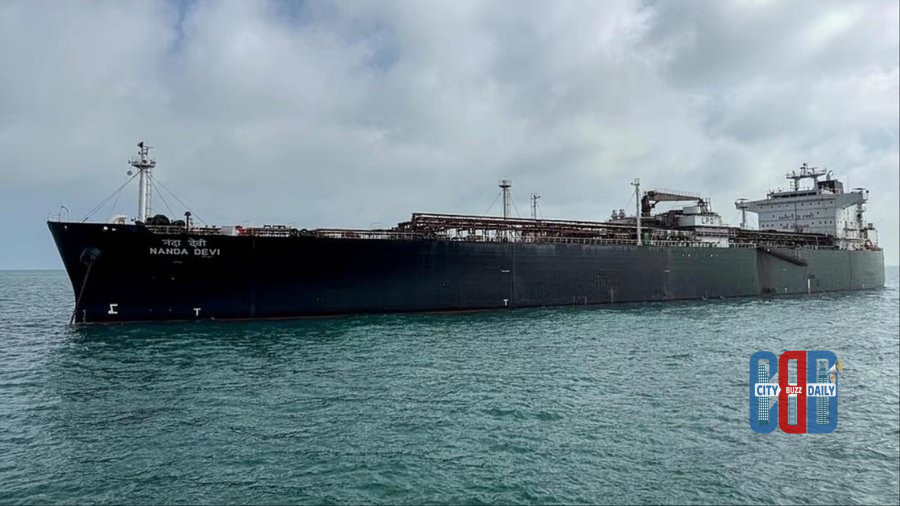
Iran notifies UN allowing conditional transit through Strait of Hormuz
Iran has informed the United Nations Security Council and the International Maritime Organization that “non-hostile vessels” may pass through the Strait of Hormuz, subject to coordination with Iranian authorities and compliance with declared regulations.
The communication comes amid ongoing hostilities involving the United States and Israel, which have severely disrupted maritime movement through the strategic waterway.
Formal note circulated to global maritime bodies

Advertisement
The note was issued by Iran’s Ministry of Foreign Affairs and sent to the 15-member UN Security Council as well as UN Secretary-General Antonio Guterres on Sunday. It was subsequently circulated among the 176 member states of the London-based UN shipping agency on Tuesday.
The Strait of Hormuz is a critical global energy route, handling a significant share of the world’s oil and liquefied natural gas shipments. Current disruptions have affected nearly one-fifth of global supplies moving through the channel.
Conditions set for safe passage
In the communication, Iran stated that vessels not involved in or supporting military actions against it may be permitted safe transit. Such passage, however, is contingent upon coordination with Iranian authorities and adherence to safety and security protocols outlined by Tehran.
The note specifies that ships must neither participate in nor support any form of aggression against Iran to qualify for passage under these terms.
Restrictions on US and Israeli-linked vessels
Iran clarified that vessels, equipment, or assets linked to the United States or Israel, as well as any entities participating in military operations against Iran, would not be eligible for what it described as “innocent or non-hostile passage.”
The communication further stated that measures taken by Iran are intended to prevent the use of the Strait of Hormuz for hostile activities against the country.
Context of ongoing conflict
The development comes during an escalation in regional tensions, with maritime routes increasingly affected by military activity. The Strait of Hormuz remains central to global energy flows, and any restrictions or conditions imposed on transit have immediate implications for international trade and energy markets.
The circulation of Iran’s note among international maritime authorities underscores the growing complexity of navigation and security conditions in the region.