Demand to Approve Ippa Flower Liquor for Tribal Livelihood
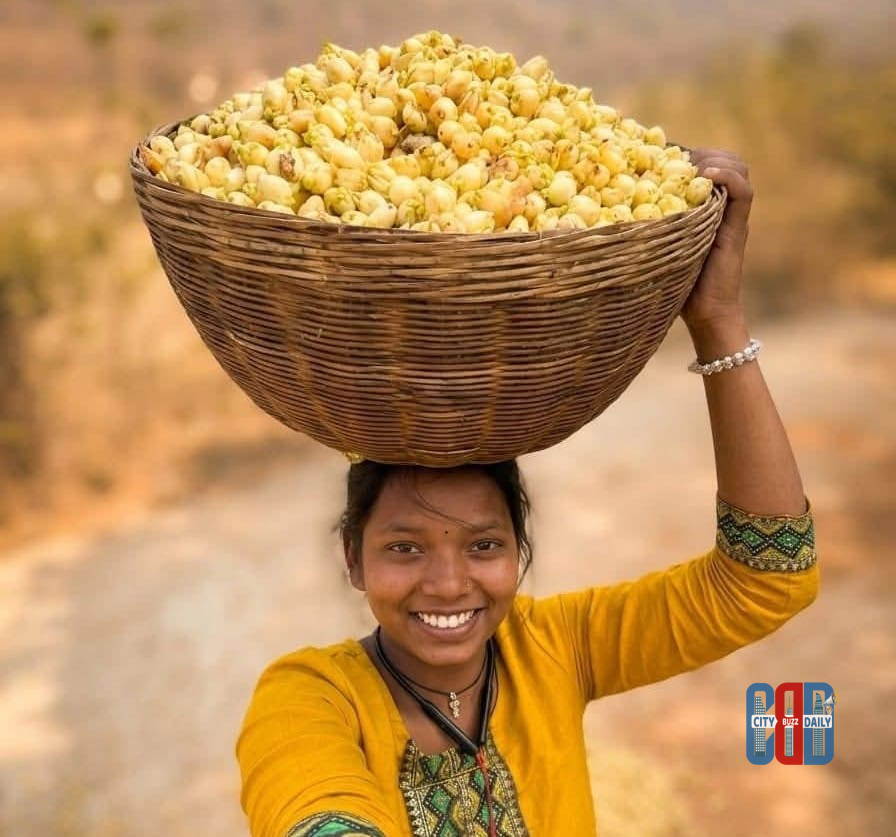
Demand Raised for Government to Approve Ippa Flower Liquor Policy
Proposal links tribal livelihood with traditional resources
A demand has emerged for the government to permit the production and regulated sale of liquor made from Ippa flowers, citing livelihood opportunities for tribal communities.
The proposal comes at a time when there is increasing focus on promoting organic practices and reducing dependency on chemical-based products in agriculture and related sectors.
Call for a regulated licensing and procurement system
Advocates have suggested that the government should introduce a licensing system for tribal individuals to produce Ippa flower liquor in a controlled manner.

Advertisement
Under this model, the liquor prepared using natural Ippa flowers would be procured by the government and routed through authorized liquor outlets for sale.
This approach is being projected as a way to ensure regulation while also generating income for tribal households dependent on forest produce.
Push for natural alternatives over chemical-based products
The demand also highlights a shift towards natural and traditional products, both in agriculture and allied activities.
Supporters argue that just as organic fertilizers are being encouraged due to declining soil fertility, naturally derived products such as Ippa flower liquor should also be recognized and supported.
The emphasis is on creating a balance between regulation and sustainable use of natural resources.
Reference to the Goa model cited in the proposal
Those backing the proposal have pointed to the example of Goa, where liquor made from cashew fruit, known as “Feni,” is permitted for sale within the state.
They argue that a similar model could be adopted for Ippa flower liquor, restricting its sale within Telangana while ensuring legal oversight.
Focus on tribal welfare and economic development
The demand places strong emphasis on improving the economic condition of tribal communities by formalizing a traditional practice.
By bringing production under a licensing framework and ensuring market access, the proposal aims to provide a stable source of income while maintaining regulatory control.
Government action awaited
There has been no official response yet regarding the proposal. Any decision would require balancing regulatory concerns with livelihood considerations.
The issue is likely to draw attention as discussions around sustainable practices and tribal welfare continue to gain importance.