Hostel Meal Scare in Palnadu – What Really Happened?
Introduction to the Incident
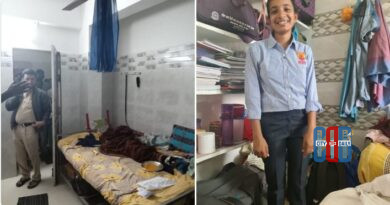
Food poisoning in Palnadu welfare hostel created anxiety across Sattenapalli after two young students suddenly fell ill and collapsed on the campus. The social welfare residential hostel located in Sattenapalli of Palnadu district accommodates several students who depend completely on meals supplied by the institution. On the day of the event, the girls attended their regular classes in the nearby college and returned to the hostel as usual. Within a short time they complained of discomfort, dizziness, and weakness, prompting immediate attention from the school staff. The employees on duty recognized the seriousness when both students appeared exhausted and lost balance, leading to an emergency transfer to the Sattenapalli area hospital.
How the Students Were Affected
The affected students were residents of the social welfare hostel and had reportedly consumed the common breakfast and lunch served in the mess. After reaching the college they experienced nausea and stomach irritation, symptoms typically associated with contaminated food. Classmates noticed that the girls were unable to sit through lectures and looked unusually pale. Once they returned to the hostel in the evening, their condition worsened and they became unconscious for brief periods. The staff provided first aid and arranged an ambulance without delay. Doctors at the area hospital began treatment and confirmed that the illness was likely triggered by food intolerance or bacterial infection, though detailed laboratory reports were awaited.
Response from Hostel and School Staff
The school staff reacted quickly to the meal scare in Palnadu welfare hostel students. The warden, teachers, and caretakers reached the rooms of the students as soon as the complaints emerged. They informed the parents and district welfare officers about the health situation. The hostel management temporarily stopped the mess services and advised other students to avoid the remaining meal items. Clean drinking water and simple alternative food were supplied as a precaution. Senior officials directed the staff to preserve samples from the kitchen so that health inspectors could examine them. The cooperative effort between the educational institution and medical team helped stabilize the students and prevented further complications.
Medical Treatment at Sattenapalli Area Hospital
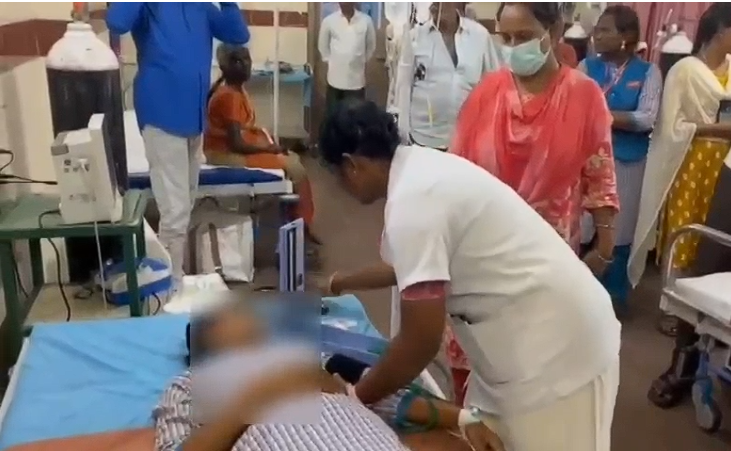
At Sattenapalli area hospital the two students received systematic medical care. Physicians conducted primary examinations focusing on pulse rate, body temperature, and dehydration levels. The girls were placed under observation and given intravenous fluids to restore strength. Antibiotics and supportive medicines were administered according to pediatric guidelines. Hospital authorities stated that such cases require monitoring for at least twenty four hours because hostel students often hide early symptoms out of fear. Nurses interacted gently with the students to understand what they had eaten during the day. The medical team emphasized hygiene in hostels and reminded that balanced, well cooked meals are essential for growing children.
Investigation by District Authorities

Advertisement
Following the incident of food poisoning in Palnadu welfare hostel students fall ill, district authorities initiated an inquiry. Officers from the social welfare department visited the hostel kitchen and inspected storage facilities. They examined the cleanliness of rice, vegetables, oil, and milk products used in the mess. Local food safety officials collected statements from the warden and cooks regarding preparation methods. The authorities also interacted with other hostel residents to check if additional students felt uneasiness. Preliminary observations suggested that improper preservation during hot weather might have contributed to bacterial growth. The investigation aimed to identify gaps and recommend corrective measures for all residential welfare institutions in Palnadu district.
Concerns about Welfare Hostel Food Quality
The incident revived public concerns about welfare hostel food quality. Students living in social welfare residential hostels rely on the institution for nutrition and health protection. Any compromise in meal safety directly affects their academic performance. Parents expressed worry after hearing that Palnadu welfare hostel left two students ill. They demanded regular health checkups and transparent monitoring of mess contracts. Social activists highlighted that residential hostels should follow strict kitchen protocols similar to hospitals. The welfare department assured parents that new guidelines would be introduced, including frequent cleaning, temperature control, and medical awareness programs.
Preventive Steps Suggested by Experts
Experts suggested preventive steps after food poisoning in Palnadu welfare hostel students fall ill. Health specialists explained that residential hostels must avoid recycled oil and undercooked pulses. Proper washing of leafy vegetables and safe water for cooking are mandatory. They recommended training sessions for hostel cooks and wardens to recognize early symptoms among students. Educational institutions were advised to maintain a small clinic or tie up with nearby Sattenapalli area hospital for quick response. Such preventive actions help reduce risk and build confidence among welfare hostel residents.
Role of Parents and Community
Parents and the community play a key role in hostel meal safety. When Palnadu welfare hostel left two students ill, parents rushed to the area hospital and supported the girls emotionally. The community in Sattenapalli provided transport and refreshments for relatives. Teachers counseled other students to remain calm and continue studies. The collaborative spirit between parents, doctors, and hostel staff demonstrated social responsibility. Community monitoring committees were proposed so that Palnadu district welfare hostels can maintain accountability.
Impact on Academic Routine
The food scare in Palnadu welfare hostel students created temporary disruption in academic routine. Residential students felt fearful about attending college. Teachers adjusted the schedule and offered online notes for the affected girls. Doctors advised rest before they return to classes. The Sattenapalli area hospital team issued certificates for medical leave. Officials promised that exams would not be affected and special coaching would be provided. Meal safety in hostels is therefore linked not only to health but also to education continuity.
Food poisoning in Palnadu welfare hostel reminded everyone about the importance of hygiene in residential institutions. The quick transfer of the two students to Sattenapalli area hospital saved their lives and highlighted staff dedication. Authorities in Palnadu district began investigation and assured strict preventive measures. Parents demanded transparency, and experts emphasized training for hostel cooks. The incident should become a lesson so that Palnadu welfare hostels can ensure safe, nutritious meals for all students. Continuous monitoring and cooperation between school staff and area hospital are essential to protect the future of welfare hostel residents in Sattenapalli and across Palnadu district.