Deadly Kite String Shock in Sangareddy
China Manja Turning Kite Flying into a Risk
Kite flying has always been a joyful tradition in Telangana villages, especially during festival seasons, yet the growing use of China manja has started casting a dark shadow over this simple recreation. The synthetic string, coated with sharp chemical material, has been associated with numerous mishaps across the state. An alarming incident in Sangareddy district once again highlighted how dangerous this thread can become when combined with electrical installations. In the small hamlet of Dakooru, a boy who was playing near his home received a severe electric shock after his kite became caught in high tension wires. What began as innocent fun quickly transformed into a painful lesson for the entire community, reminding parents and children that caution is no longer optional in activities that were earlier considered harmless.
The Incident in Dakooru Village
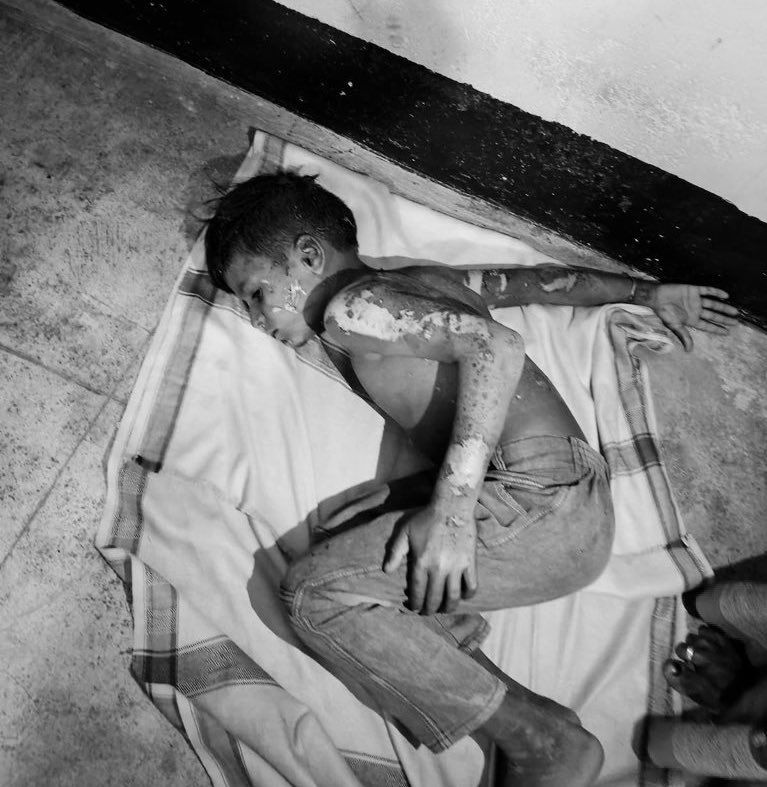
On a recent afternoon, children in Dakooru village of Sangareddy district were enjoying their holiday by flying kites in the open fields close to residential lanes. Among them was a young boy whose kite drifted away with the wind and became entangled in overhead high tension power lines. Unaware of the threat, the boy attempted to pull the kite back with force. The moment he tugged the string, electricity traveled through the wet synthetic thread and he collapsed after experiencing a violent shock. Neighbors rushed to his aid as he had suffered burns on his palms and chest. Elders in the village immediately arranged transport and the child was shifted to a nearby hospital in Sangareddy town. Doctors confirmed that the injuries were serious but treatable because help arrived without delay. The entire episode created panic in the locality as many households had earlier ignored warnings about using sharp imported kite strings.
Why China Manja is So Hazardous
China manja differs greatly from traditional cotton thread that was once used by kite lovers. The synthetic composition easily conducts electricity and the sharp chemical coating can slice skin like a blade. When such string touches two wheel riders or pedestrians, it can cause deep wounds, and when it comes in contact with electrical wires, it becomes a channel for electric flow. Experts have repeatedly explained that this manja is produced with powdered glass and metallic substances that make it extremely risky. Despite restrictions, the string is still sold secretly in markets because of its low price and high strength. In rural areas, children often fly kites near transformers and power lines, which multiplies the danger. The Dakooru case showed that even a single kite can create life threatening conditions if the string is China manja. Awareness among families remains poor, and many believe accidents will happen only to others.
Response from Local Community

Advertisement
After the boy was admitted to hospital, village elders held a meeting near the gram panchayat office to discuss preventive steps. Parents expressed guilt that they had allowed children to play near electric wires. Local teachers and social workers decided to educate students about safe kite flying zones. The electricity department staff who visited the village stated that several kites were found hanging on the same power lines earlier as well. They requested residents not to touch trapped kites and instead inform officials. The incident united the community, and shop owners in the area were asked not to sell China manja anymore. People realized that protecting children requires collective discipline. Many mothers in the village visited the injured boy and consoled his family, promising that such oversight would not be repeated. The episode became the main topic in surrounding villages too.
Medical Condition of the Child
Doctors treating the boy in Sangareddy said that he had received burns due to electric entry through his palms. He was kept under observation and provided fluid therapy to stabilize his condition. Hospital authorities appreciated the neighbors who brought him quickly, which reduced complications. The boy’s parents were advised to remain with him for a few days until the wounds healed. The medical team also educated the family about the after effects of electric shock such as muscle pain and weakness. According to them, children are more vulnerable because their skin is delicate and they panic during such moments. The Dakooru boy regained consciousness in the evening and recognized his mother, which brought relief to everyone. However, the scars of the accident will take time to fade.
Increasing Number of Manja Related Mishaps
Across Telangana and India, manja linked mishaps have been increasing each year. Earlier, injuries were mostly minor cuts, yet synthetic imported strings have escalated the severity. Two wheel riders have faced throat and facial injuries, and birds too have been victims of this sharp thread. Authorities have conducted raids in Hyderabad and other towns, yet the supply chain continues through online and local sources. Social media has carried multiple stories of people being injured while walking on terraces. The Dakooru case is not isolated, and similar shocks have occurred in Medak and Siddipet districts. Child rights activists say that adults must stop viewing kite flying as a carefree game. Electrical poles near residential areas have become silent traps because of China manja. Every accident reduces the charm of this age old tradition.
Legal and Administrative Measures
The sale of China manja has been banned in several states, and police are empowered to seize stocks, yet enforcement in rural belts remains challenging. Many small vendors sell it secretly during festival months. Electricity department officials have appealed that children should fly kites only in open grounds away from wires. Administration in Sangareddy district announced that awareness drives would be conducted in schools. Legal experts explain that using banned manja can invite punishment because it endangers public life. However, laws alone cannot protect children unless families cooperate. In villages like Dakooru, monitoring by local bodies is essential. After the recent shock incident, officials promised stricter vigilance. The case proved that administrative action usually begins only after tragedy occurs.
Role of Parents and Teachers
Parents play the most decisive role in preventing such accidents. Teachers in Dakooru school said that they would include lessons about safe kite flying during morning assembly. Children must be told that trapped kites should never be touched, and synthetic strings should not be used at all. Earlier, parents allowed kite flying from terraces, yet now they need to choose safe zones. The injured boy’s mother stated that she never imagined a kite could cause electric shock. Teachers believe that storytelling in local language will impact children better. The Dakooru case will be used as an example in classrooms. Responsibility must be shared between parents and schools so that children do not repeat such risky behavior. The accident opened the eyes of many families.
Safer Alternatives to Keep Tradition Alive
Kite flying need not be abandoned, yet the material used must return to traditional cotton thread that does not conduct electricity and is not razor sharp. Local artisans can produce safe manja using natural gum instead of chemical coating. Experts say that playing in open fields away from electrical installations can keep children safe. In Dakooru village, elders encouraged parents to buy only approved cotton strings. Festivals like Sankranti are linked with kite flying culture, and safer alternatives can preserve this heritage. Children can still enjoy kite flying competitions if safety rules are respected. The Dakooru boy himself loved flying kites, and the village does not want children to lose such happiness. Yet the string must not be China manja.
The painful accident in Dakooru of Sangareddy district reminded Telangana that even simple games can become deadly when unsafe material is used. China manja has started bringing risk into kite flying and public movement. Parents, teachers, and officials now understand that awareness should come before accidents, not after them. The injured boy is recovering in Sangareddy hospital, yet the incident left fear in the village lanes. Electricity department appeals must be followed strictly, and trapped kites should be handled only by officials. Tradition and safety must walk together in modern Telangana. The Dakooru case will hopefully become the last reminder for families to avoid China manja and protect their children from unnecessary harm. Kite flying should remain a joy, not a cause of tears, in villages of Sangareddy and beyond.