Think Once About the Danger of Chinese Manja
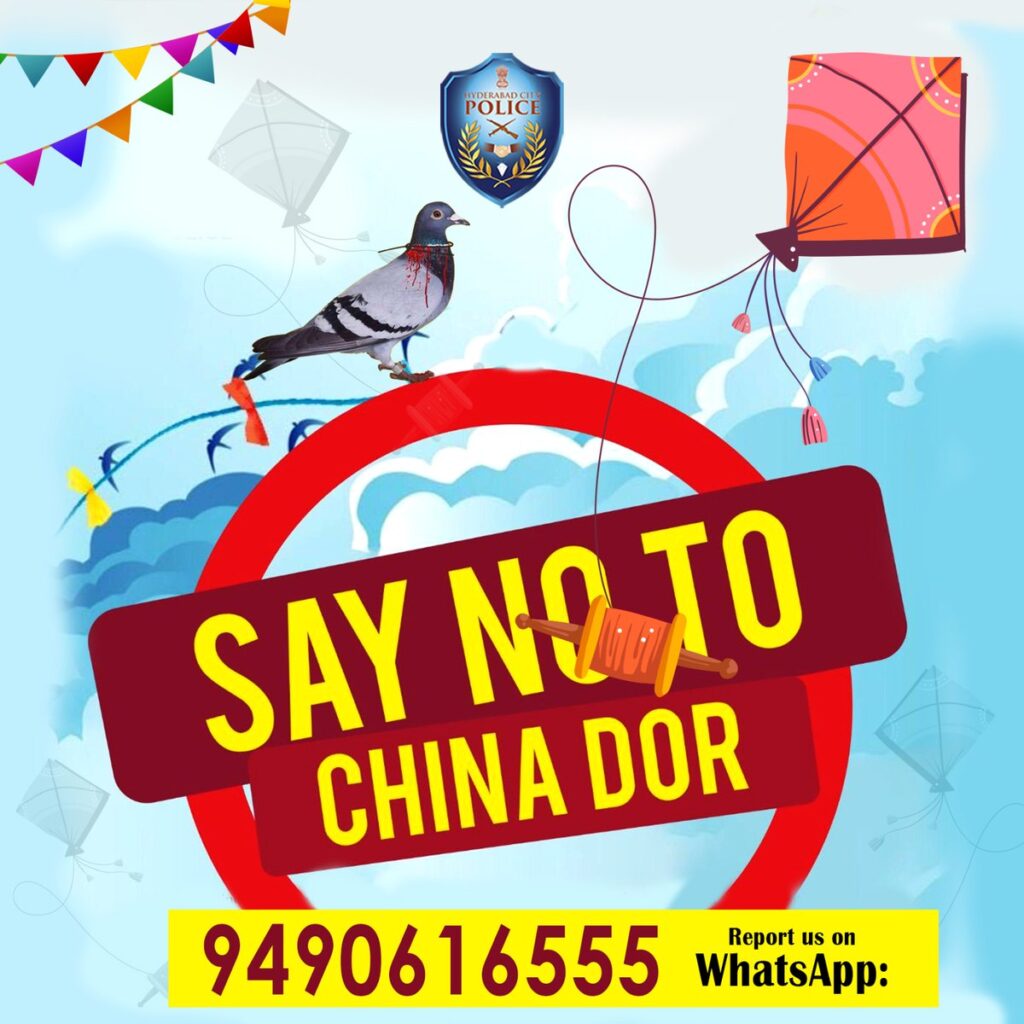
Think Once About the Danger of Chinese Manja
At first glance, flying a kite appears to be a simple and joyful activity. It brings back childhood memories, open skies, and moments of happiness shared with family and friends. However, behind this innocent-looking tradition lies a hidden threat that has claimed countless lives and caused severe injuries across the country. The danger of Chinese Manja is no longer an isolated concern; it has become a serious public safety issue that demands attention.
Chinese Manja is a type of synthetic kite string coated with powdered glass or metal. Unlike traditional cotton thread, this material is extremely sharp and durable. While it helps kites fly higher and cut through rival strings, its impact on humans, animals, and the environment is devastating. Many people underestimate its danger until tragedy strikes.
What Makes Chinese Manja So Dangerous
The primary reason behind the danger of Chinese Manja is its composition. Made from nylon or plastic fibers, this string does not break easily. When combined with sharp coatings, it becomes capable of slicing through skin, muscles, and even bones. Unlike normal threads that snap under pressure, Chinese Manja remains taut and lethal.
Another alarming factor is its invisibility on roads. When kite strings fall from rooftops or electric poles, they often hang at neck height across streets. Two-wheeler riders, pedestrians, and cyclists become unsuspecting victims within seconds. By the time one realizes the danger, it is often too late to react.
Rising Accidents Linked to Chinese Manja

Advertisement
Every year, especially during festive seasons, reports of accidents caused by Chinese Manja increase sharply. Motorcyclists suffer deep neck cuts, children sustain serious injuries, and birds lose their wings or lives after getting entangled. Hospitals frequently report emergency cases involving severe bleeding and permanent damage.
What makes the situation more tragic is that many of these incidents are completely avoidable. A moment of careless enjoyment turns into lifelong trauma for families. The danger of Chinese Manja is not limited to those flying kites; it affects anyone sharing public spaces.
Impact on Children and Youth
Children are among the most vulnerable victims. Their curiosity and enthusiasm make them unaware of the risks involved. Many young kite flyers handle Chinese Manja without protective gloves, leading to deep cuts on fingers and palms. In extreme cases, tendons get damaged, affecting hand movement permanently.
Teenagers riding bicycles or scooters are equally at risk. A sudden encounter with hanging Manja can result in serious injuries. These incidents leave emotional scars and disrupt education and daily life. The joy of a festival should never come at such a high cost.
Threat to Birds and Animals
The danger of Chinese Manja extends beyond human life. Birds are frequent victims, especially during kite-flying seasons. They get trapped mid-air, injuring their wings or necks. Many are found bleeding on terraces or electric wires, unable to escape.
Stray animals also suffer when strings wrap around their legs or necks. Since the material does not decompose easily, it remains in the environment for a long time, continuing to harm wildlife. This silent cruelty often goes unnoticed, but its impact is widespread.
Legal Bans and Ground Reality
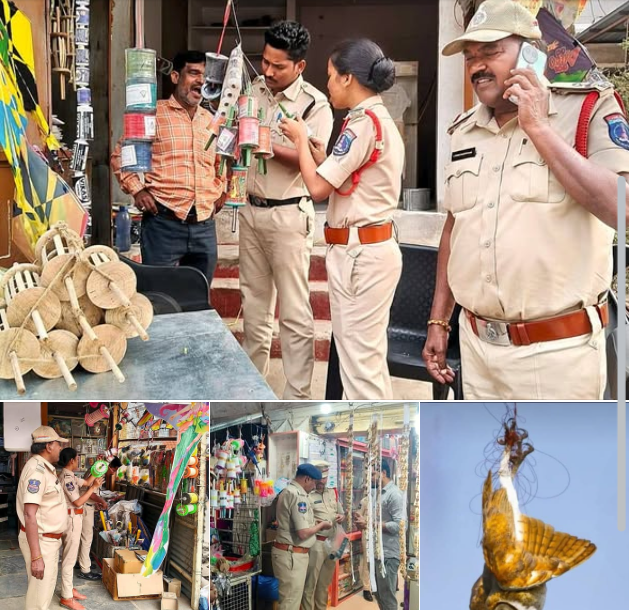
Several states have imposed bans on the manufacture, sale, and use of Chinese Manja. Authorities have conducted raids, seized materials, and imposed fines. Despite these efforts, illegal supply chains continue to operate due to high demand.
The challenge lies in enforcement and awareness. Many people still use Chinese Manja without realizing that it is illegal and dangerous. Laws alone cannot solve the problem unless citizens actively participate in preventing its use.
Why Awareness Is More Important Than Punishment
While strict action is necessary, awareness plays a crucial role in reducing the danger of Chinese Manja. People must understand that a single thread can end a life. When communities collectively reject its use, suppliers lose their market.
Schools, residential associations, and local leaders can spread awareness through campaigns and discussions. Simple messages about safety can save lives. Responsible celebration should always be encouraged over reckless enjoyment.
Safer Alternatives That Preserve Tradition
Kite flying does not need to be abandoned entirely. Traditional cotton threads and eco-friendly Manja are safe alternatives that preserve the spirit of the activity without causing harm. These materials break easily under pressure and do not cause severe injuries.
Encouraging the use of safe options ensures that festivals remain joyful rather than tragic. Choosing responsibly reflects maturity and respect for life.
The Responsibility Lies With Everyone
The danger of Chinese Manja is not just a government issue or a seasonal problem. It is a shared responsibility. Parents must guide children, sellers must act ethically, and users must make informed choices.
Every individual decision matters. Saying no to Chinese Manja is a step toward safer streets, protected wildlife, and peaceful celebrations. Awareness today can prevent accidents tomorrow.
Think Once Before It’s Too Late
Chinese Manja may seem thrilling for a moment, but its consequences last forever. A single careless act can change lives in seconds. Thinking once about the danger of Chinese Manja can save not just your life, but the lives of many others around you.
Festivals are meant to spread happiness, not sorrow. By choosing safety over risk, we can ensure that traditions continue without turning into tragedies.