
Check Fuel Density at Petrol Pumps, Experts Advise
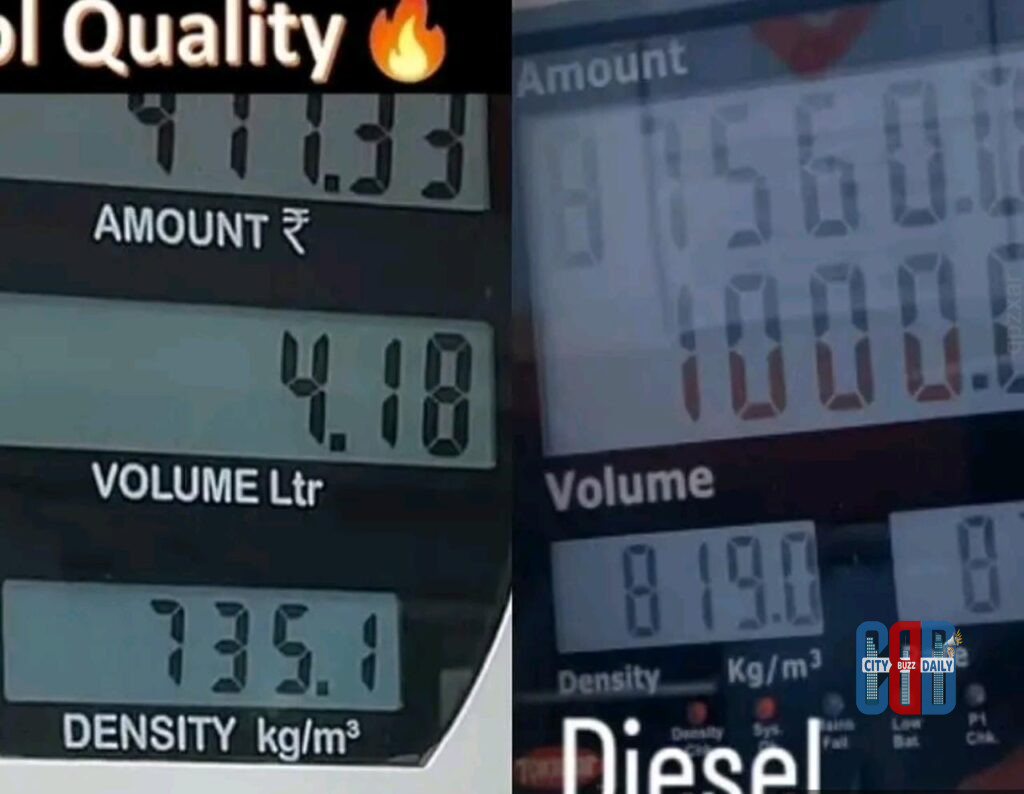
Fuel Experts Issue Advisory on Checking Density at Petrol Pumps
Consumers Urged to Verify Fuel Quality Beyond Meter Reading
Consumers purchasing fuel at petrol bunks are being advised to check more than just the meter reading during refuelling. While many vehicle owners ensure that the display starts from zero, experts stress that verifying fuel density is equally important.
The density indicator, displayed on dispensing units at fuel stations, provides a measure of fuel quality and helps identify possible adulteration.
Prescribed Density Range for Petrol and Diesel
According to standard parameters, petrol density should fall within the range of 720–775 kg/m³. For diesel, the acceptable density range is 820–860 kg/m³.

Advertisement
If the displayed density falls outside these limits, it may indicate that the fuel has been mixed with other substances. Such deviations are considered a sign of compromised fuel quality.
Impact of Adulterated Fuel on Vehicles
Experts point out that using fuel with incorrect density can directly affect vehicle performance. One of the immediate effects is reduced mileage, as the energy output from adulterated fuel tends to be lower.
In addition to mileage concerns, prolonged use of such fuel can damage engine components. This may lead to increased maintenance requirements and potential long-term mechanical issues.
Importance of Density Check at Fuel Stations
Fuel stations are equipped with density display systems to ensure transparency and maintain quality standards. However, many consumers are not aware of this feature or do not routinely check it.
Experts recommend that customers make it a practice to observe the density reading before or during refuelling. This simple step can help in identifying irregularities and avoiding the use of substandard fuel.
Context on Fuel Quality Awareness
Fuel adulteration has remained a recurring concern in several regions, impacting both consumers and vehicle performance. Awareness measures such as checking density readings are part of broader efforts to ensure quality compliance at fuel stations.
Regular monitoring by consumers, along with adherence to standards by fuel outlets, is seen as essential in maintaining fuel quality.