
Bird Flu Scare Returns in South India
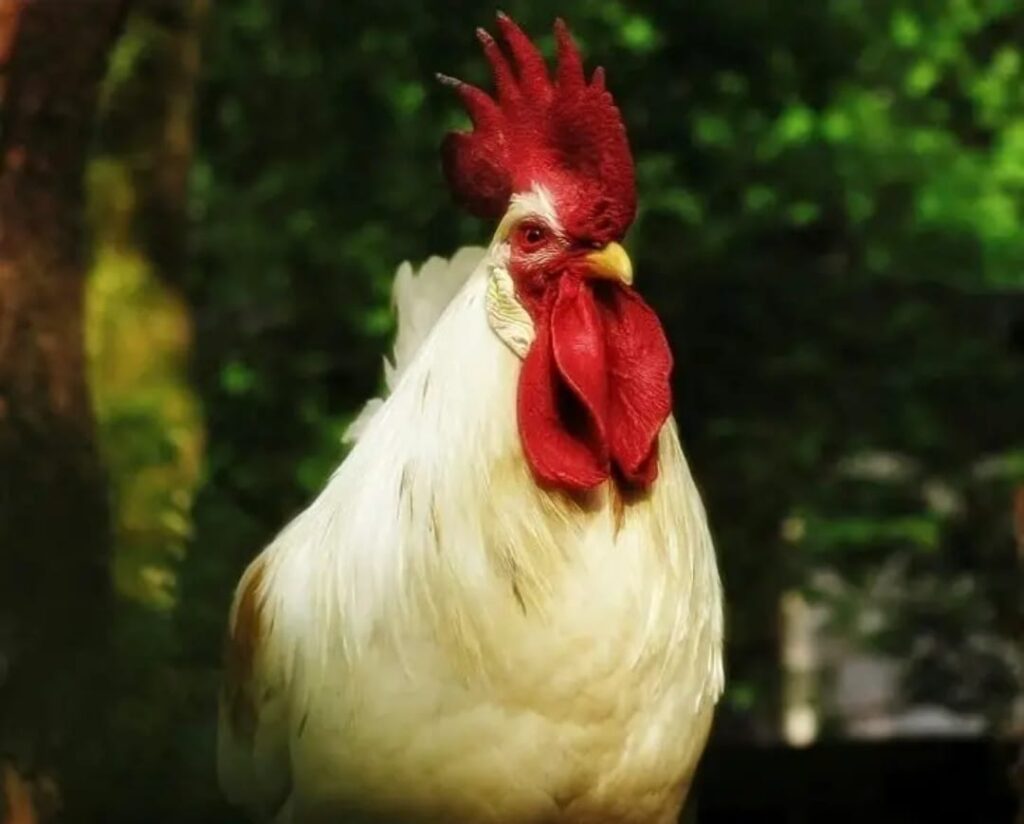
Bird Flu Makes an Unexpected Comeback
After a period of calm, the bird flu outbreak in Kerala has returned, once again raising concerns among health officials, poultry farmers, and the general public. The reappearance of avian influenza has reminded authorities how quickly infectious diseases can resurface, even after months of reduced activity. This renewed spread has triggered a wave of preventive actions aimed at containing the virus before it escalates further.
Health departments confirmed the presence of the avian influenza virus in parts of Alappuzha and Kottayam, two districts known for dense poultry activity. The detection immediately prompted state officials to move into action mode, focusing on preventing the virus from crossing regional boundaries.
Government Steps In to Control the Situation
The Kerala government has initiated containment protocols to limit the impact of the bird flu outbreak in Kerala. Veterinary teams were deployed to affected zones to monitor poultry health and conduct surveillance. Authorities emphasized that early detection plays a crucial role in stopping further transmission, especially in regions with high poultry movement.
Control measures include restricting poultry transport, sanitizing farms, and monitoring bird mortality patterns. Officials are also coordinating with local administrations to ensure that biosecurity guidelines are followed strictly. These actions are intended to prevent panic while ensuring that the virus does not spread unchecked.
Border Districts on High Alert

Advertisement
As a precautionary measure, neighboring states have heightened surveillance in districts sharing borders with Kerala. The Tamil Nadu government has set up special checkpoints in districts adjoining Kerala, including Nilgiris and Coimbatore. These checkpoints are designed to monitor poultry vehicles entering the state and prevent potential transmission.
Veterinary teams stationed at these points are inspecting poultry consignments thoroughly. Officials have clarified that these inspections are preventive rather than restrictive, aimed at protecting both poultry farmers and consumers. The heightened vigilance reflects lessons learned from previous outbreaks, where early border monitoring proved effective.
Understanding Avian Influenza and Its Risks
Avian influenza, commonly referred to as bird flu, is a viral infection that primarily affects birds. Certain strains, however, can pose risks to humans, especially those in close contact with infected poultry. While human transmission remains rare, authorities continue to stress the importance of caution and hygiene.
The bird flu outbreak in Kerala has reignited discussions around food safety and animal health management. Experts point out that consuming properly cooked poultry products remains safe, and there is no need for unnecessary fear. Public awareness campaigns are being reinforced to ensure that misinformation does not spread faster than the virus itself.
Impact on Poultry Farmers and Local Economy
Poultry farmers are among the most affected whenever avian influenza resurfaces. Movement restrictions and preventive culling, though necessary, can lead to financial strain. In affected districts, farmers have been advised to report unusual bird deaths immediately rather than attempting to manage the issue privately.
The state government has indicated that compensation mechanisms will be reviewed if large-scale preventive actions become necessary. Officials aim to strike a balance between disease control and protecting livelihoods, acknowledging that economic stability is closely tied to public health management.
Coordination Between States Becomes Crucial
One of the key takeaways from the bird flu outbreak in Kerala is the importance of interstate coordination. Viruses do not recognize administrative boundaries, making cooperation essential. Kerala and Tamil Nadu authorities are sharing surveillance data and veterinary findings to ensure a unified response.
This collaborative approach reduces duplication of effort and helps authorities react faster to any new developments. Experts believe that such coordination can significantly reduce the chances of widespread outbreaks, particularly in regions with frequent poultry movement.
Public Advisory and Safety Measures
Health officials have urged the public to remain calm while staying informed. People living near affected zones are advised to avoid contact with sick or dead birds and report any unusual sightings to local authorities. Maintaining hygiene and following official advisories are considered sufficient precautions for the general population.
The bird flu outbreak in Kerala has not led to any confirmed human cases so far, according to officials. Continuous monitoring is underway to ensure early detection if the situation changes. Authorities have reiterated that panic buying or avoiding poultry products without a scientific basis is unnecessary.
Looking Ahead: Prevention Over Reaction
The re-emergence of avian influenza highlights the need for sustained vigilance rather than temporary responses. Experts emphasize strengthening poultry surveillance systems, improving farm biosecurity, and increasing awareness among farmers and traders.
While the current bird flu outbreak in Kerala appears to be under control, officials remain cautious. Continuous testing, transparent communication, and public cooperation are expected to play a decisive role in preventing escalation. The coming weeks will be crucial in determining whether the containment measures succeed in fully halting the spread.