Trump Strained India-US Ties?
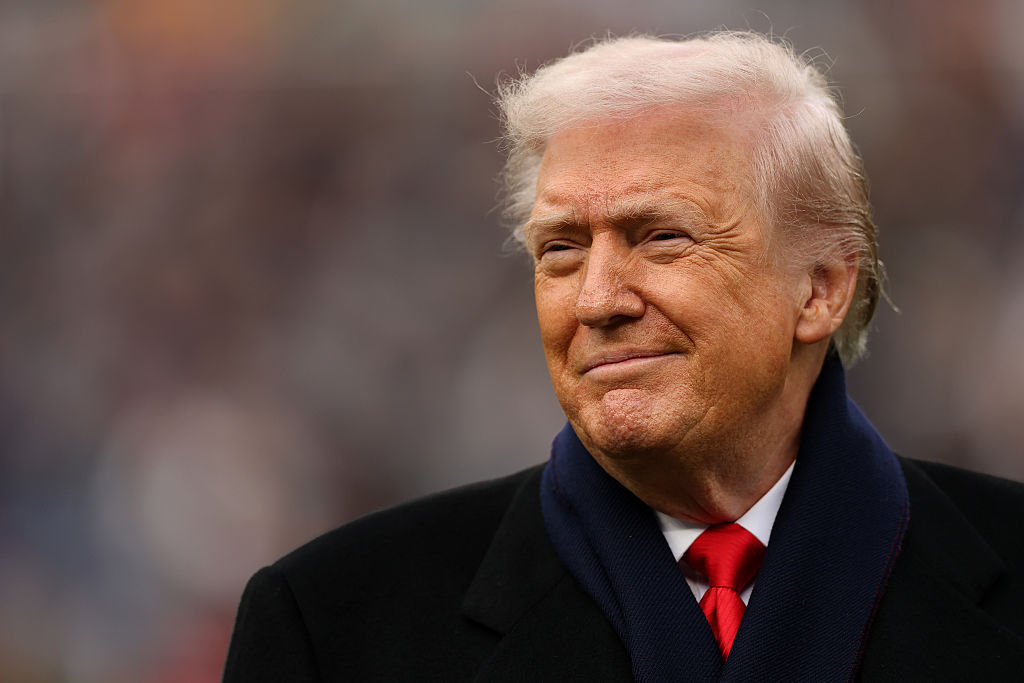
Trump Strained India-US Ties, Says Congressman
Indian American Congressman Suhas Subramanyam has delivered a sharp assessment of Washington’s current approach toward New Delhi, stating that former President Donald Trump has significantly strained India-US ties. According to Subramanyam, the deterioration of relations between the world’s two largest democracies risks undermining economic cooperation and long-term strategic interests on both sides.
Speaking in a recent interview, the congressman expressed concern that years of diplomatic progress are being weakened by policy reversals and personal differences. He argued that this shift marks a notable departure from earlier engagement that once positioned the partnership as a cornerstone of global democratic cooperation.
From Strategic Momentum to Diplomatic Friction
Subramanyam pointed out that during Trump’s first term, the relationship between Washington and New Delhi showed visible momentum. Cooperation expanded across defense, trade, and diplomatic platforms, with frequent high-level interactions strengthening trust. The partnership with Prime Minister Narendra Modi was often highlighted as a success story in US foreign policy.
However, the congressman noted that the current phase reflects a reversal. He believes personal disagreements and shifting priorities have replaced pragmatic diplomacy, leading to unnecessary friction. According to Subramanyam, these changes have disrupted a relationship that had taken decades to build and had delivered tangible benefits to both nations.
Economic Consequences of Policy Shifts

Advertisement
One of the most serious outcomes of strained relations, Subramanyam warned, is the economic fallout. Trade ties between India and the United States have been a major driver of growth, innovation, and job creation. The imposition of tariffs and unpredictable trade rhetoric, he argued, has created uncertainty for businesses operating across borders.
Subramanyam emphasized that companies looking to diversify supply chains away from China view India as a natural alternative. Manufacturing, technology services, and industrial cooperation all present opportunities for mutual gain. Yet, he said these prospects are weakened when trade barriers and hostile messaging dominate the dialogue.
He stressed that economic partnerships thrive on stability and trust, both of which suffer when policy decisions appear inconsistent or politically motivated.
Strategic Impact on Asia and the Indo-Pacific
Beyond trade, Subramanyam highlighted the strategic implications of damaged ties. India plays a crucial role in the Indo-Pacific region, where geopolitical competition continues to intensify. The congressman argued that weakening engagement with New Delhi reduces Washington’s ability to shape regional outcomes.
In particular, he pointed to the challenge posed by China, describing India as a natural democratic counterbalance. Shared values, expanding defense cooperation, and aligned security interests make the partnership strategically vital. Any sustained downturn, he warned, could limit America’s influence in Asia at a time when coordination is most needed.
Defense and Technology Cooperation at Risk
Subramanyam also expressed concern that strained India-US ties could slow progress in defense and technology collaboration. Over the years, both countries have expanded joint military exercises, defense procurement, and intelligence sharing. These initiatives have strengthened interoperability and reinforced mutual security commitments.
The congressman argued that future cooperation should focus on advanced defense systems, emerging technologies, and cybersecurity. He cautioned that political tensions and economic disputes could stall these efforts, reducing the effectiveness of long-term strategic planning.
Congressional Support Versus Executive Action
Despite his criticism, Subramanyam made it clear that bipartisan support for India remains strong within the US Congress. Lawmakers from both parties continue to recognize the importance of the partnership and have backed legislation aimed at deepening cooperation.
However, he acknowledged that congressional intent often clashes with executive actions. Policy decisions taken by the administration, particularly on trade and foreign relations, can override legislative efforts. This disconnect, he said, makes it difficult to sustain consistent engagement even when political will exists on Capitol Hill.
Broader Concerns Over US Foreign Policy
Expanding his critique, Subramanyam voiced unease about the overall direction of US foreign policy. He noted that promises to reduce global conflicts and rebuild alliances have not been fully realized. Instead, strained relationships and tariff disputes have eroded trust among long-standing allies.
According to the congressman, rebuilding credibility will require deliberate effort and a renewed commitment to diplomacy. Restoring confidence with partners like India, he said, is essential for maintaining global stability and economic strength.
Repairing the Relationship Moving Forward
Looking ahead, Subramanyam stressed that repairing strained India-US ties must become a priority. He believes Congress has a key role to play in reversing recent damage by promoting dialogue, encouraging trade cooperation, and reinforcing strategic alignment.
Recent policy documents, including the National Defense Authorization Act, highlight the steady expansion of defense, technology, and people-to-people ties over the past two decades. These frameworks underscore the depth of the partnership and the bipartisan consensus supporting it.
Analysts cited in a Congressional Research Service report have long viewed the India-US relationship as central to balancing power in the Indo-Pacific. Subramanyam echoed this view, warning that neglecting the partnership could have lasting consequences.
Why the Partnership Still Matters
Despite current challenges, the congressman remains optimistic about the long-term future of India-US relations. He described India as an indispensable partner whose democratic values and economic potential align closely with American interests. Strengthening cooperation, he argued, would enhance economic influence, improve security coordination, and reinforce democratic leadership globally.
As global dynamics continue to shift, Subramanyam’s message is clear: allowing strained relations to persist would be a missed opportunity for both nations. Restoring trust and cooperation, he said, is not only possible but necessary for shared prosperity and stability.