Chinturu CHC Performs Rare Surgery, Saves Mother
CHC Medical Team Conducts Rare Surgery, Saves Mother in Chinturu
Complex Delivery Reported at Community Health Centre
A rare and medically complex childbirth was handled at the Chinturu Community Health Centre (CHC) on March 24. The case involved a pregnant woman from Errampeta village in Chinturu mandal, who had arrived at the hospital three days earlier for a routine check-up.
During examination, the attending doctor, Ramana Rao, identified serious developmental abnormalities in the foetus. The condition required immediate medical attention due to the risks involved.
Severe Foetal Abnormalities Detected
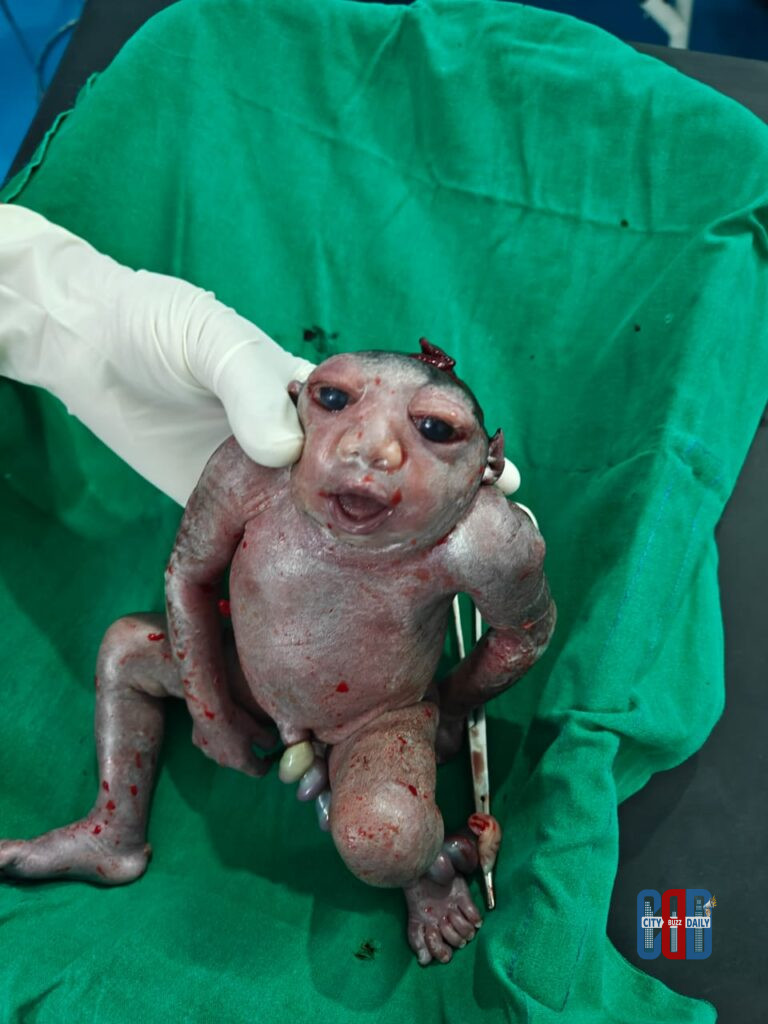
Doctors observed that the foetus had significant developmental defects, including improper formation of the brain and skull bones. The condition, identified as anencephaly, is known to result in the absence of proper brain and cranial development.

Advertisement
Medical staff noted that such cases often lead to the infant not surviving after birth. The abnormalities also included exposed brain tissue and a suspected case of meningomyelocele, further complicating the situation.
Emergency Surgery Conducted Amid Risk
The case became critical due to both the foetal condition and the deteriorating health of the mother. With the risk to the mother’s life increasing, the CHC medical team took immediate action.
An emergency Lower Segment Caesarean Section (LSCS) was performed to ensure the safety of the mother. The procedure was carried out without delay, considering the life-threatening circumstances.
Mother’s Life Saved Through Timely Intervention
The surgical intervention was successful in saving the mother’s life. The medical team, including doctors, nursing staff, and support personnel, managed the case under challenging conditions.
Hospital authorities acknowledged the coordinated efforts of the team in handling the rare and high-risk case effectively.
Context of Rural Healthcare Challenges
Community Health Centres like the one in Chinturu serve as critical healthcare access points in rural areas. Such facilities often handle emergency and high-risk cases with limited resources.
The handling of this case highlights the role of timely diagnosis and intervention in managing complicated pregnancies at the primary healthcare level.