
Farm Unions Call Bharat Bandh on February 12
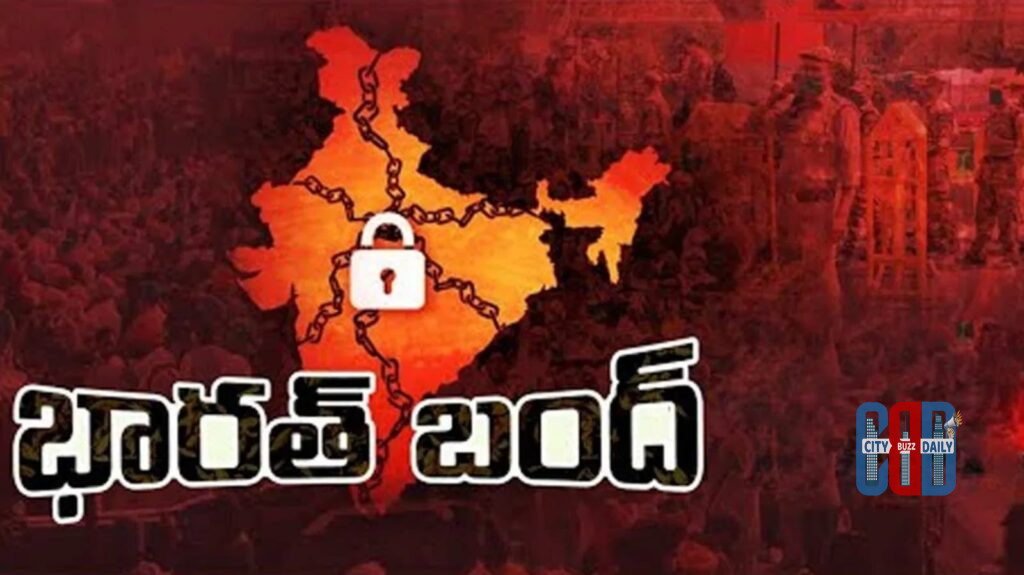
Farm Unions Announce Nationwide Bharat Bandh Call for February 12
Farmers’ unions across the country have called for a nationwide Bharat Bandh on February 12, raising objections to the proposed trade deal between India and the United States. The organizations say the agreement could harm domestic agriculture and allied sectors, particularly small and marginal farmers.
The bandh call comes amid growing unease within sections of the farming community over the possible impact of increased agricultural imports. Union leaders have urged farmers, agricultural workers, and rural organizations to join the protest and express opposition to the trade arrangement.
Concerns Over Agricultural Imports

Advertisement
Farm unions argue that the proposed trade understanding may open the door for large-scale imports of key agricultural commodities from the United States. Among the products highlighted are maize and soybean oil, which are widely used in the livestock and feed industry.
According to the unions, a surge in imported feed products could disrupt local supply chains and affect domestic crop prices. They believe such developments would weaken farm incomes and place additional pressure on the agricultural economy, which is already dealing with fluctuating market conditions.
The concerns extend to the dairy sector as well. Farmers’ groups warn that cheaper imported feed could indirectly affect milk production economics, thereby impacting rural households dependent on dairy-related activities.
Call for Nationwide Protest
In response to these concerns, farm unions have appealed for coordinated protests across states on February 12. The Bharat Bandh is being projected as a unified demonstration against what the organisations describe as injustice to farmers under the proposed trade framework.
Union representatives have asked various farmer associations and rural bodies to mobilise participation peacefully. The protest is expected to focus on highlighting the risks posed by international trade decisions to domestic agriculture and allied rural livelihoods.
The bandh call also reflects broader apprehension among sections of the farming community about policy decisions linked to global trade and their long-term consequences for local production systems.
Administrative and Sectoral Impact
The announcement of a nationwide bandh may lead to disruptions in agricultural markets, rural transport, and allied supply chains in several regions. Authorities are likely to monitor the situation and ensure maintenance of essential services during the protest period.
The issue has once again drawn attention to the complex balance between international trade commitments and domestic agricultural protection. Farm unions maintain that safeguarding local farmers and rural industries must remain a priority in policy decisions involving global trade partnerships.
With the February 12 protest approaching, the focus remains on how widely the bandh will be observed and whether the concerns raised by farm unions will prompt further discussion at policy levels.
👉 For more breaking news updates, in-depth reports, and real-time developments from across India, visit the City Buzz Daily homepage.