US Envoy Holds Discreet Talks With Reza Pahlavi as Iran Protests Escalate
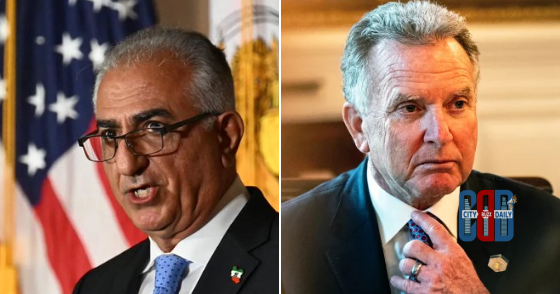
As Iran faces its most lethal wave of unrest in decades, Steve Witkoff, a senior envoy under former US President Donald Trump, has quietly opened a line of communication with exiled Iranian royal Reza Pahlavi, according to officials familiar with the matter.
The meeting, first reported by Axios, took place over the weekend and focused on the ongoing uprising that has shaken cities across Iran for more than two weeks. A senior US official confirmed the interaction, describing it as the first high-level engagement between the Trump administration and Iranian opposition figures since the protests erupted.
Pahlavi Emerges as Key Opposition Voice
Reza Pahlavi, the son of Iran’s last monarch, has emerged as one of the most prominent opposition figures amid growing public anger over Iran’s economic collapse and political repression. Living in exile in the United States, Pahlavi has increasingly positioned himself as a possible transitional leader should the current regime fall — a role that until recently had drawn limited interest in Washington.
Over the past two weeks, Pahlavi has made frequent appearances on American television networks, calling on the US to support demonstrators and warning that Iran has reached a critical turning point. In one recent interview, he argued that the protests represent more than calls for reform, framing them instead as a rejection of a system he said has failed the Iranian people.
White House Stops Short of Backing Opposition

Advertisement
Despite the outreach, Trump has publicly refrained from endorsing any single opposition leader. Speaking last week on the Hugh Hewitt Show, he declined to back a particular figure, even as his rhetoric toward Tehran grew more confrontational.
In a post on Truth Social, Trump urged demonstrators to continue protesting and claimed that support was forthcoming, while also announcing that he had cancelled meetings with Iranian officials until the killings of protesters ceased.
Death Toll Mounts Amid Crackdown
Human rights groups say the scale of violence has reached historic levels. Activists report that more than 2,000 people have been killed nationwide, marking the deadliest unrest since the 1979 Islamic Revolution. The US-based Human Rights Activists News Agency put the death toll at 2,003 as of Tuesday, following a brief restoration of international communications after days of internet and phone shutdowns.
Iranian state television has since offered its first official acknowledgement of casualties, quoting an unnamed official who said the country had suffered “many martyrs.” Authorities claimed the delay in releasing figures was due to the condition of bodies, an admission that came only after activists published their estimates.
Protests Shift From Economy to Regime Challenge
What began as demonstrations against Iran’s worsening economic conditions has evolved into a broader challenge to the ruling theocratic system, including direct opposition to Supreme Leader Ayatollah Ali Khamenei.
As protests continue and diplomatic backchannel contacts emerge, Iran’s crisis appears to be entering a more volatile and consequential phase, with implications extending well beyond its borders.