Lohri: From Punjab’s Firesides to a Global Celebration of Unity
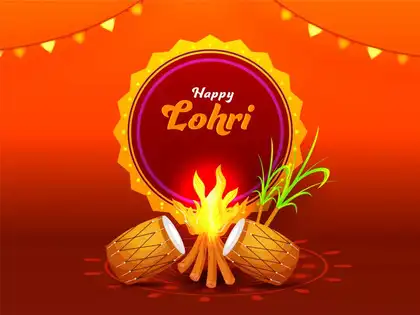
Celebrated on January 13, a day before Makar Sankranti, Lohri is far more than a seasonal festival in Punjab. Rooted in agrarian life, folklore, and collective memory, it marks the warmth of human bonds amid biting winter, the arrival of the rabi harvest, and a timeless message of courage, justice, and social harmony. As bonfires rise into the winter sky on the final night of the Paush month, Lohri becomes a living symbol of renewal—burning away stagnation and welcoming hope.
A Festival Shaped by Seasons and Society
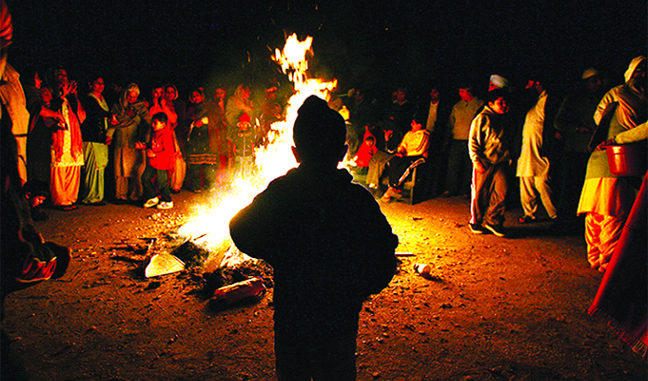
India’s festivals have always mirrored nature’s rhythms, and Lohri stands as a powerful reflection of this connection. In Punjab, the festival heralds the harvesting of crops like sugarcane and mustard, offering gratitude to Agni Dev and Surya Dev for abundance and prosperity. Families gather around the fire, offering peanuts, rewari, gajak, popcorn, sesame seeds, and jaggery—rituals that blend nourishment, symbolism, and prayer for future well-being.
The traditional meal of makki ki roti and sarson ka saag completes the celebration, grounding the festival in the soil and sustenance of Punjab.
Dulla Bhatti: The Folk Hero Behind the Flames
No Lohri celebration is complete without remembering Dulla Bhatti, the legendary Punjabi hero from the time of Mughal emperor Akbar. Revered for his defiance against oppression, Dulla Bhatti is remembered most for protecting the dignity of women. Folklore recounts how he rescued two orphaned girls, Sundri and Mundri, from being sold into slavery, arranging their marriages and standing in as their guardian.

Advertisement
Even today, Lohri songs echo his legacy—“Sundar Mundariye Ho… Dulla Bhatti Wala Ho”—reminding generations that true bravery lies in standing up for the vulnerable. His story gives Lohri its moral core, transforming the festival into a celebration of justice and compassion.
Songs, Children, and the Spirit of Togetherness
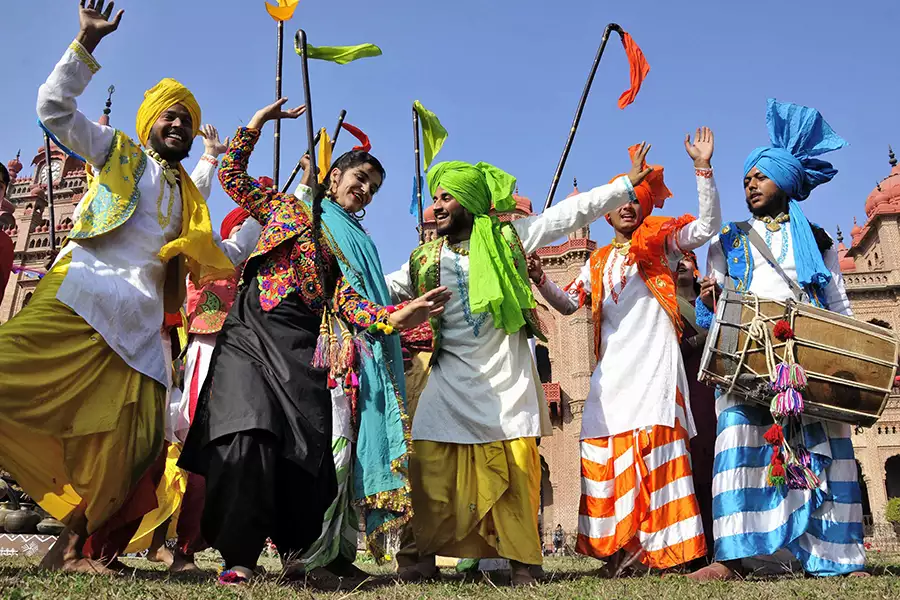
In villages and towns, groups of children go door to door singing Lohri songs, seeking offerings with joyful chants. These traditions reinforce social bonding, shared blessings, and respect for elders. The songs are not mere entertainment; they carry echoes of history, gratitude for the land, and values passed down through generations.
As communities gather around a single bonfire, laughter, dance, and music dissolve differences, turning the coldest night into a shared moment of warmth.
Welcoming New Beginnings
Lohri holds special emotional significance for families celebrating milestones. In households with a newly married bride, the festival becomes an occasion of grand welcome, blessings, and acceptance. Similarly, the first Lohri after the birth of a child is marked with rituals, music, and communal joy, reflecting prayers for health, longevity, and prosperity.
These traditions reinforce Lohri’s role as a festival of continuity—honouring both heritage and new life.
A Festival That Evolved With Time
While Lohri was once celebrated mainly to mark the birth of a son, the festival has evolved with changing social values. Today, Lohri for daughters is widely celebrated across Punjab, both in villages and cities. This shift reflects a growing commitment to gender equality and echoes the spirit of Dulla Bhatti’s legacy of protecting and honouring women.
The celebration has become a statement of inclusion, signaling progress while staying rooted in tradition.
Healing Through Celebration
In today’s fast-paced and stressful world, Lohri offers a pause—a moment of collective release. The beats of the dhol, the movements of bhangra and giddha, and the shared warmth of the bonfire act as a social balm. Old grievances fade like smoke, replaced by laughter, dance, and the sweetness of jaggery and sesame.
From Punjab to the World
Once confined to Punjab’s fields and villages, Lohri has crossed borders. From Bengaluru’s IT corridors to Assam’s tea gardens, and from Gujarat’s coastline to cities across Canada, the United States, the United Kingdom, and Australia, the festival is now celebrated by the Indian diaspora with equal fervor.
In snow-covered streets abroad, the sight of bhangra and giddha around a Lohri fire has turned the festival into a global showcase of India’s cultural unity and diversity.
A Living Message of Faith and Fellowship
Lohri stands as a confluence of faith, victory, and joy. It teaches reverence for nature, remembrance of heroes, and celebration of new beginnings. More than a ritual of fire, Lohri is a collective resolve—to burn jealousy, division, and despair, and to spread warmth, humanity, and shared hope.
As Dr. Sandeep Sablok reflects, Lohri is not just a festival—it is Punjab’s enduring message to the world: that even in the coldest times, unity and compassion can light the way.