Madhav Gadgil Passes Away
The Passing of a Visionary Environmental Thinker
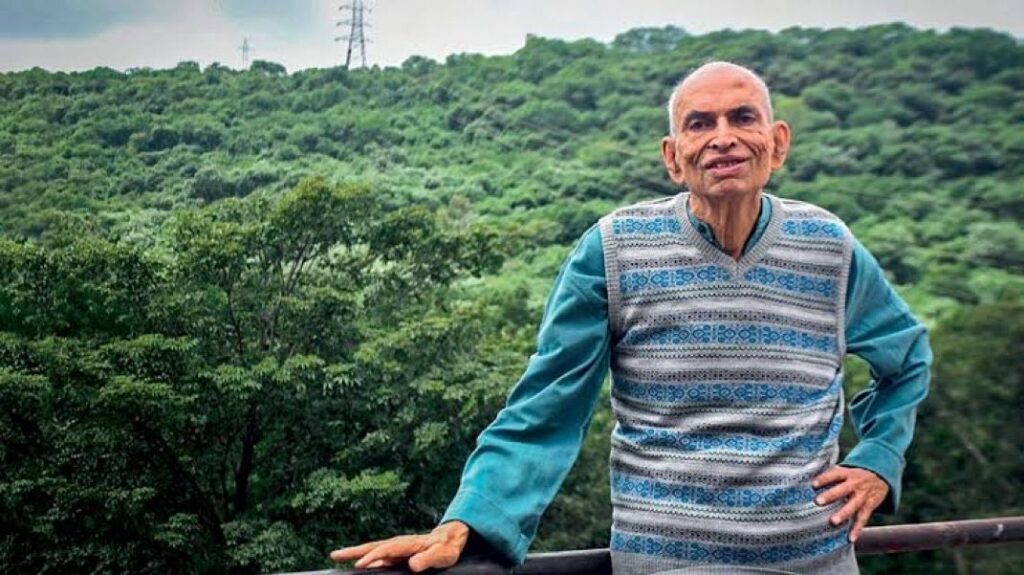
Veteran ecologist Madhav Gadgil passed away in Pune after a brief illness, marking the end of an era in India’s environmental movement. Widely respected for his deep understanding of ecology and community-driven conservation, Gadgil’s death has left a void in academic, policy, and environmental circles across the country. He was 82.
His contributions went far beyond classrooms and research papers. Over several decades, he played a central role in shaping how India viewed sustainability, biodiversity, and the delicate balance between development and nature. His passing has prompted tributes from scientists, environmentalists, students, and policymakers who saw him as a guiding force in ecological thinking.
A Life Dedicated to Ecology and Science
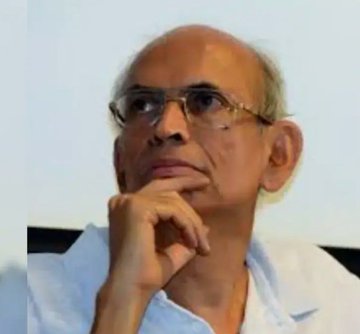
Born with a keen interest in nature, Madhav Gadgil dedicated his life to understanding ecosystems and human interaction with the environment. His academic journey led him to become one of India’s most influential ecologists, known for blending scientific research with social responsibility. He believed that conservation could not succeed without the participation of local communities who live closest to natural resources.
Throughout his career, Gadgil emphasized that environmental protection should not be imposed from above but developed in collaboration with people on the ground. This philosophy distinguished him from many contemporaries and earned him admiration as well as criticism, especially when his views challenged large-scale industrial or infrastructure projects.
Role in Environmental Policy and Governance

Advertisement
One of Gadgil’s most significant contributions came through his involvement in national environmental policy. He served on several committees and advisory panels where his insights shaped discussions on forest management, biodiversity protection, and sustainable development. His recommendations often highlighted the long-term consequences of unchecked growth and the importance of respecting ecological limits.
He strongly argued that environmental decisions should be rooted in scientific evidence rather than political convenience. This principled stance made him a trusted voice in environmental governance, even when his views were uncomfortable for those in power.
The Western Ghats and a Landmark Report
Madhav Gadgil is perhaps best known for his work on the Western Ghats, one of the world’s most biodiverse regions. As the head of an expert panel, he prepared a comprehensive report that assessed ecological sensitivity across the region. The report proposed graded protection measures to prevent irreversible environmental damage.
While the recommendations sparked intense debate, they also brought national attention to the fragile state of the Western Ghats. Gadgil remained firm that development and conservation must coexist, warning that ignoring ecological warnings would lead to disasters affecting both nature and human life.
Teacher, Mentor, and Public Intellectual
Beyond policy and research, Gadgil was a passionate teacher and mentor. Generations of students remember him as someone who encouraged critical thinking and curiosity rather than rote learning. He believed education was central to creating environmentally conscious citizens and often engaged with young scholars to discuss real-world ecological challenges.
He also wrote extensively for the public, making complex scientific ideas accessible to ordinary readers. Through books, essays, and lectures, he helped raise awareness about environmental responsibility and the urgent need for sustainable practices.
Final Days and Passing in Pune
Madhav Gadgil passed away in Pune following a short illness. Family sources confirmed that his health declined rapidly in recent days. He was surrounded by close relatives during his final moments. News of his death spread quickly, leading to an outpouring of condolences from across India and beyond.
Environmental organizations, academic institutions, and fellow scientists expressed deep sorrow, remembering him as a fearless thinker who always placed ecological well-being above personal or political interests.
Tributes and Reactions from Across the Country
Tributes poured in from leaders in science, education, and environmental activism. Many described Gadgil as a moral compass in environmental debates, someone who consistently reminded society of its responsibility toward future generations. Social media platforms were filled with messages recalling his integrity, humility, and unwavering commitment to nature.
Former students and colleagues highlighted his ability to combine rigorous science with compassion, noting that his legacy would continue through the countless individuals he inspired.
An Enduring Legacy
Though Madhav Gadgil passes away, his ideas and work remain deeply relevant. As climate change, biodiversity loss, and environmental degradation intensify, his emphasis on sustainable living and community participation feels more urgent than ever. His writings and policy contributions continue to influence environmental discussions in India.
Gadgil often said that protecting nature was not a choice but a necessity for survival. That message resonates strongly today, reminding society that development without ecological wisdom comes at a heavy cost.
Remembering a Life Well Lived
Madhav Gadgil’s life stands as a testament to the power of science guided by ethics. He chose the difficult path of speaking truth to power, driven by concern for the environment and humanity alike. While his physical presence is gone, his vision for a balanced and sustainable world endures.
As India mourns his passing, it also celebrates a life devoted to understanding and protecting the natural world. His legacy will continue to inspire those who believe that progress and nature must walk hand in hand.